Building confidence and compassion in palliative care

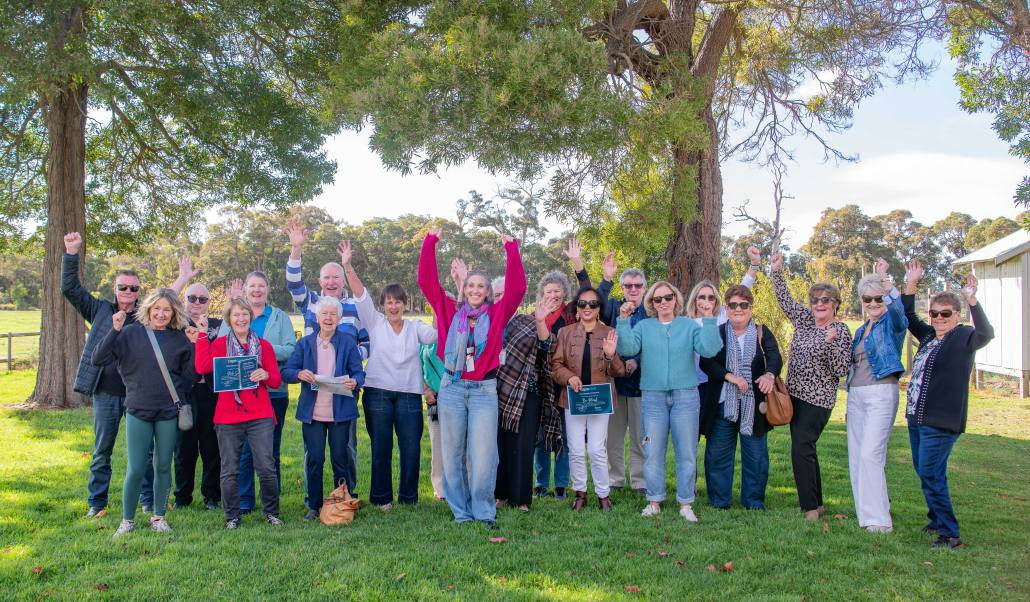
Capecare nursing and care staff have taken part in specialised education and training during National Palliative Care Week, strengthening their skills and confidence in supporting residents, clients and families through end-of-life care.

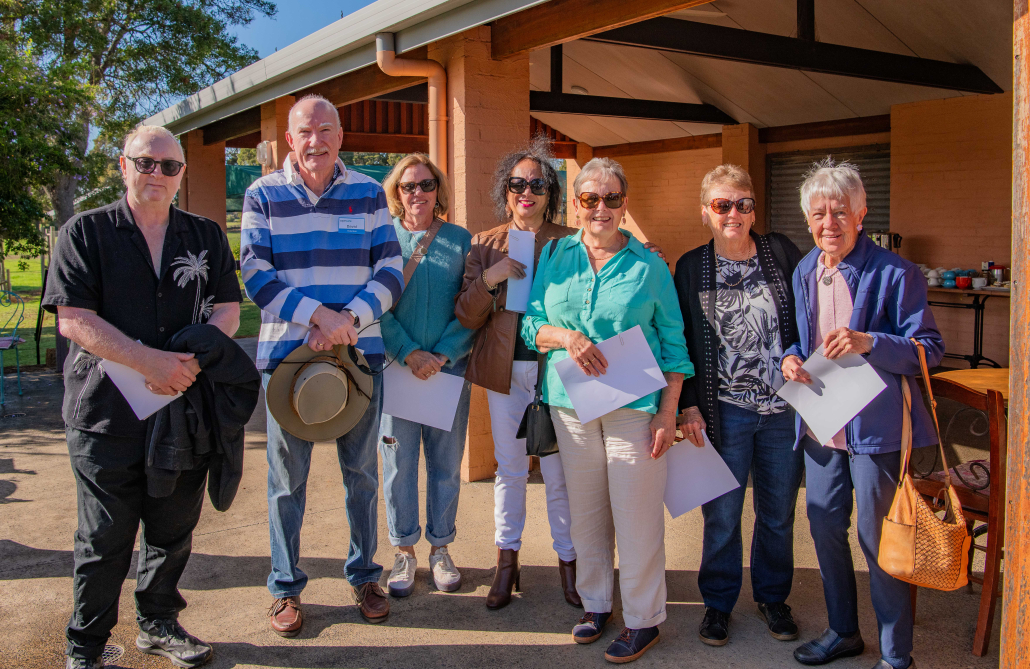
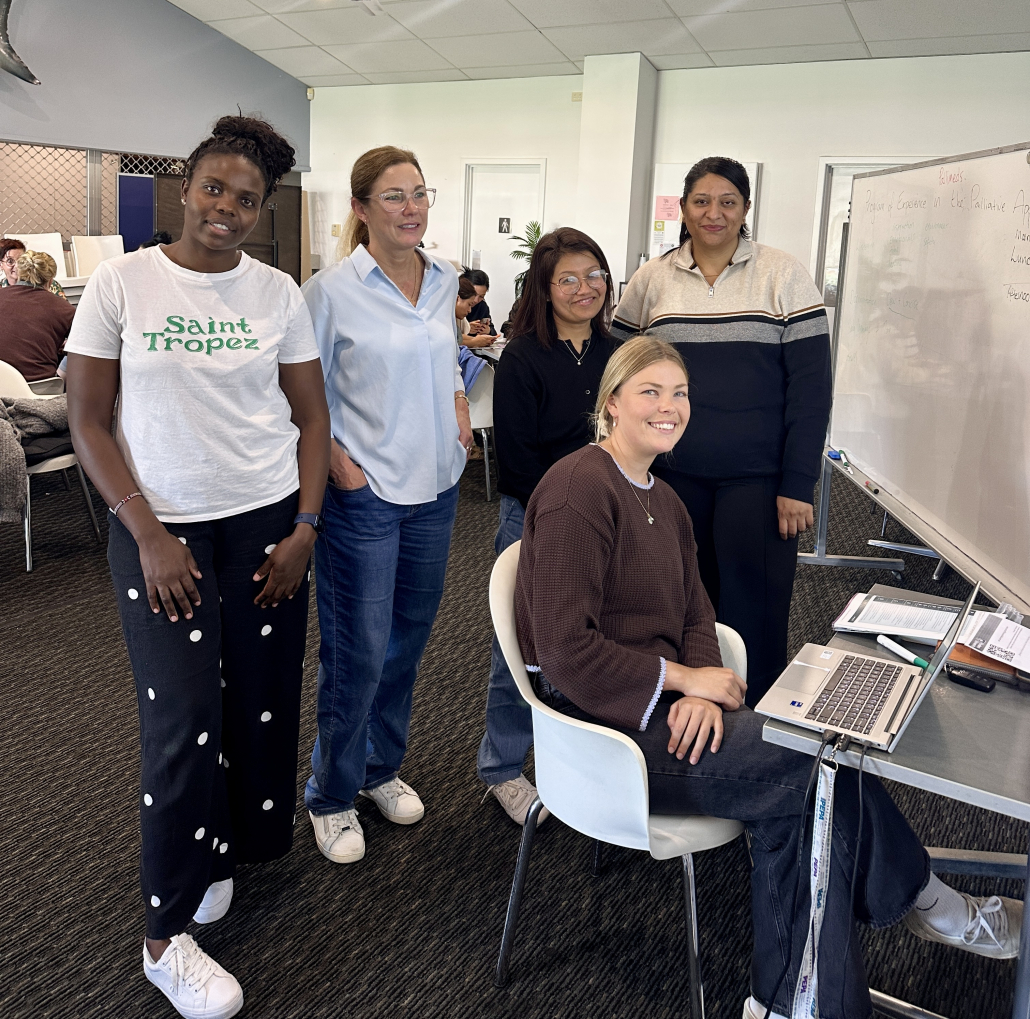
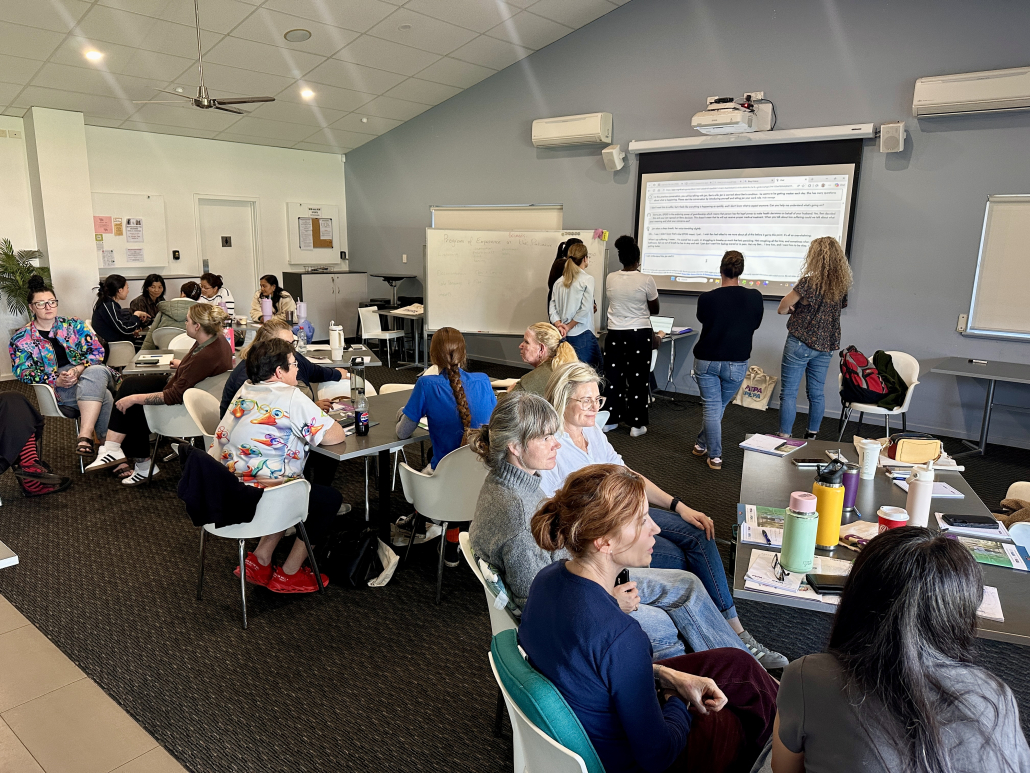
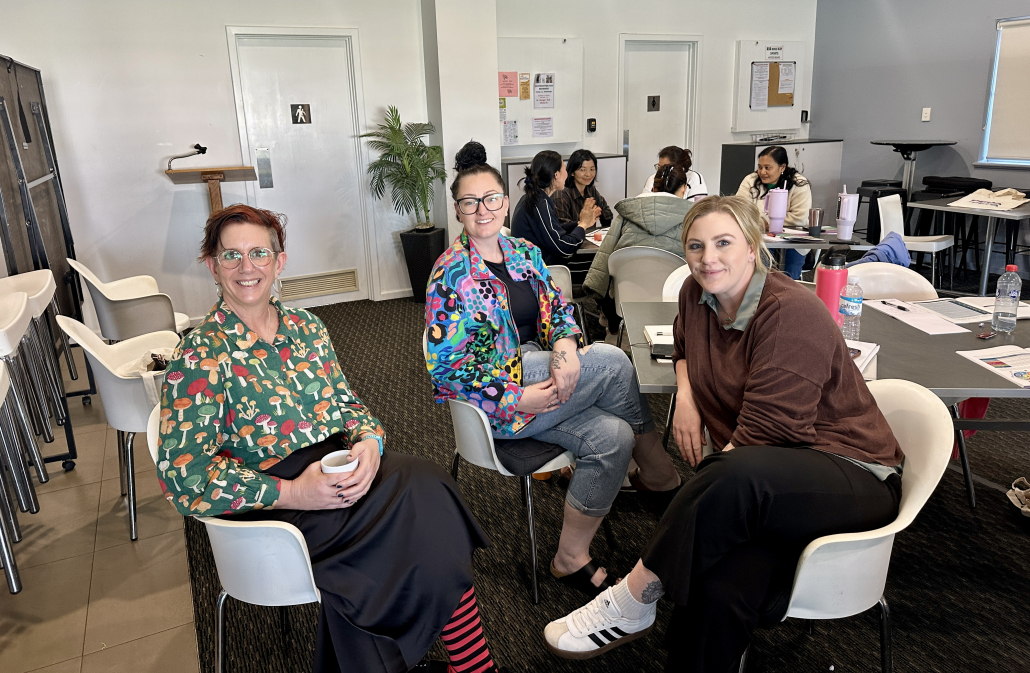
Staff from our Busselton, Dunsborough and Community teams participated in the Program of Experience in the Palliative Approach (PEPA), delivered by an Aged Care Nurse Educator Charlotte Coulson from QUT Cancer and Palliative Care Outcomes Centre across two dedicated two-day training programs.

Our staff were freed from their usual workloads to fully immerse themselves in the learning experience, reflecting Capecare’s commitment to quality care and professional development.

The PEPA program supports the aged care workforce to build knowledge, practical skills and confidence in providing compassionate palliative and end-of-life care.

Through interactive workshops, discussions and scenario-based learning, staff explored communication, symptom management, advance care planning and ways to support residents and families during some of life’s most challenging moments.

At Capecare, we understand that compassionate palliative care is about far more than clinical support. It is about dignity, empathy, connection and ensuring people feel safe, respected and cared for throughout every stage of their journey.

This training helps equip our teams with the confidence and understanding to have meaningful conversations, respond to individual needs and provide comfort-focused care with compassion and professionalism.

The PEPA training was funded through an Australian Government Department of Health and Aged Care grant.

We thank all staff who participated for their commitment to continuous learning and for the compassionate care they provide to our residents, clients and families every day.


Our Nurses Our Future – The many paths of nursing at Capecare

This year’s International Nurses Day theme, Our Nurses. Our Future recognises the vital role nurses play in shaping stronger healthcare systems and healthier communities for generations to come.

At Capecare, that future is reflected in the many ways our nurses care, lead, educate and connect every day.

From graduate nurses beginning their careers to internationally experienced clinicians, educators, care coordinators and clinical leaders, nursing at Capecare is as diverse as the people who choose it.

Across residential aged care, community services and clinical leadership, Capecare’s nursing team brings compassion, expertise and humanity to every stage of ageing.

Learning and Leading

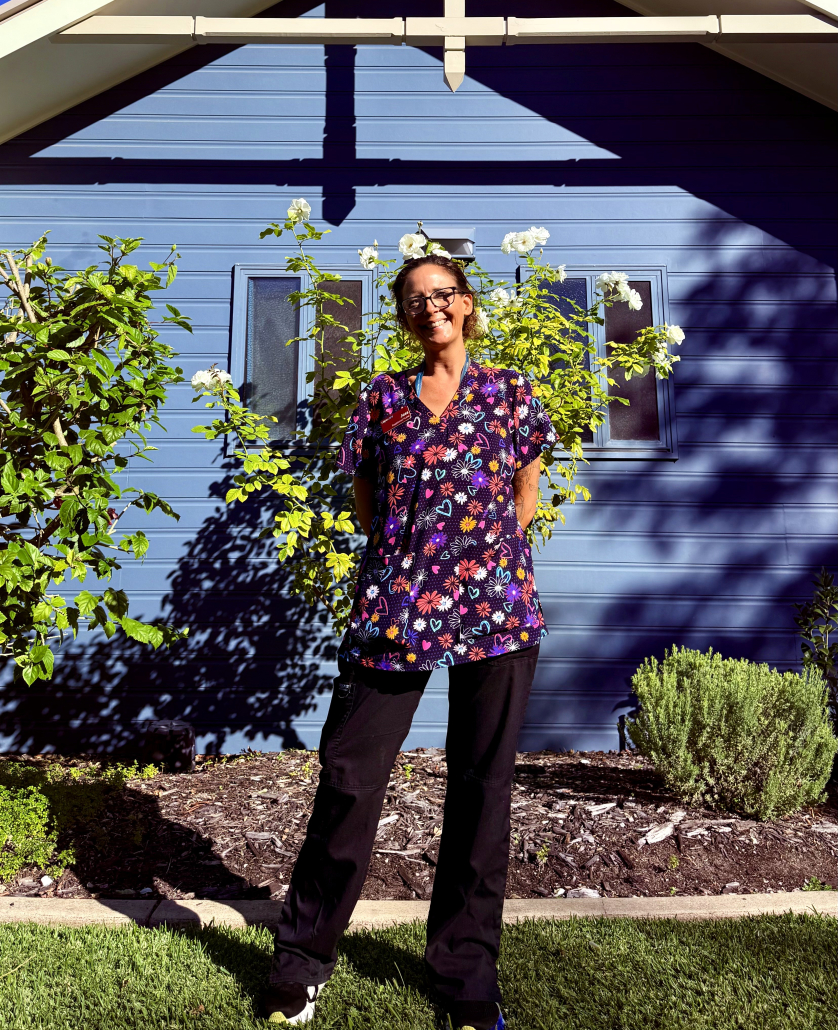
“I wanted to help develop the nurses of the future.” – Lisa Roberts

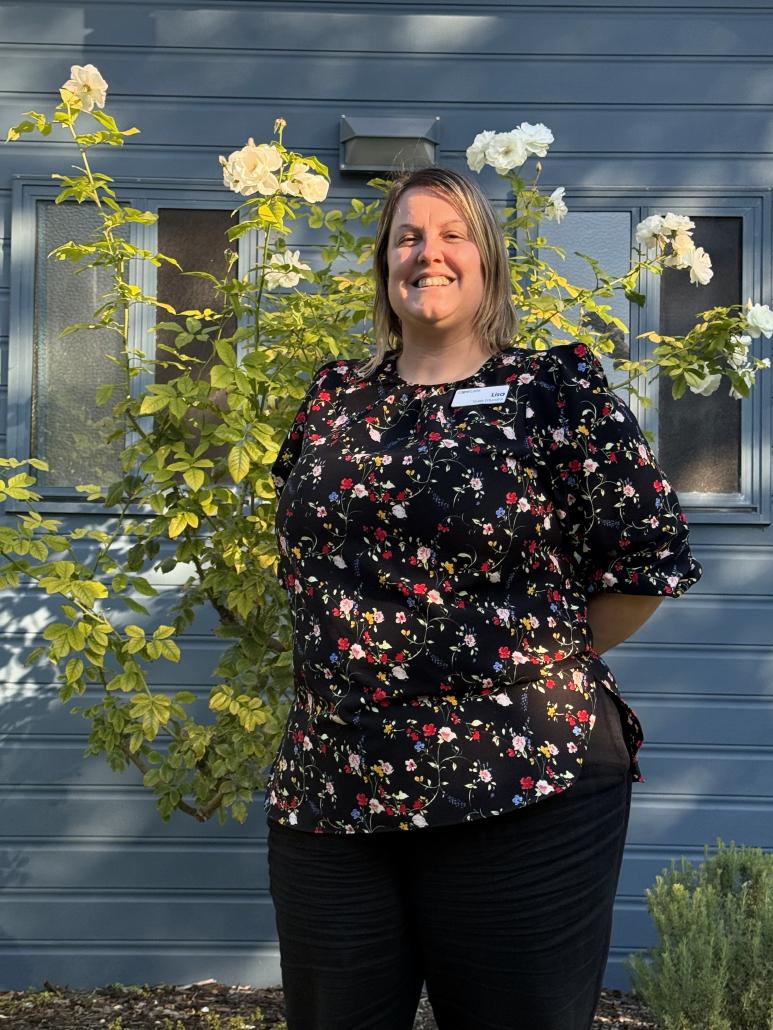
Lisa Roberts, Nurse Educator

For Nurse Educator Lisa Roberts, nursing has come full circle.

Originally from England, Lisa began her working life in aged care as a teenager and now supports and mentors nurses as Capecare’s Nurse Educator.

“I always wanted to be a nurse,” Lisa said.

“I worked from a Health Care worker up to Nurse Educator and learnt so much on the way from my peers and from the amazing people I have cared for.”

Throughout her career, Lisa has worked across acute care, community nursing and cancer services, experiences she says shaped both her perspective and her passion for teaching future nurses.

“I wanted to help develop the nurses of the future – how to care for people, to walk in their shoes and ensure they show dignity and respect.”

For Lisa, aged care nursing is deeply personal. “I feel it’s a privilege looking after our elders as they have so much life experience and tales to tell.”

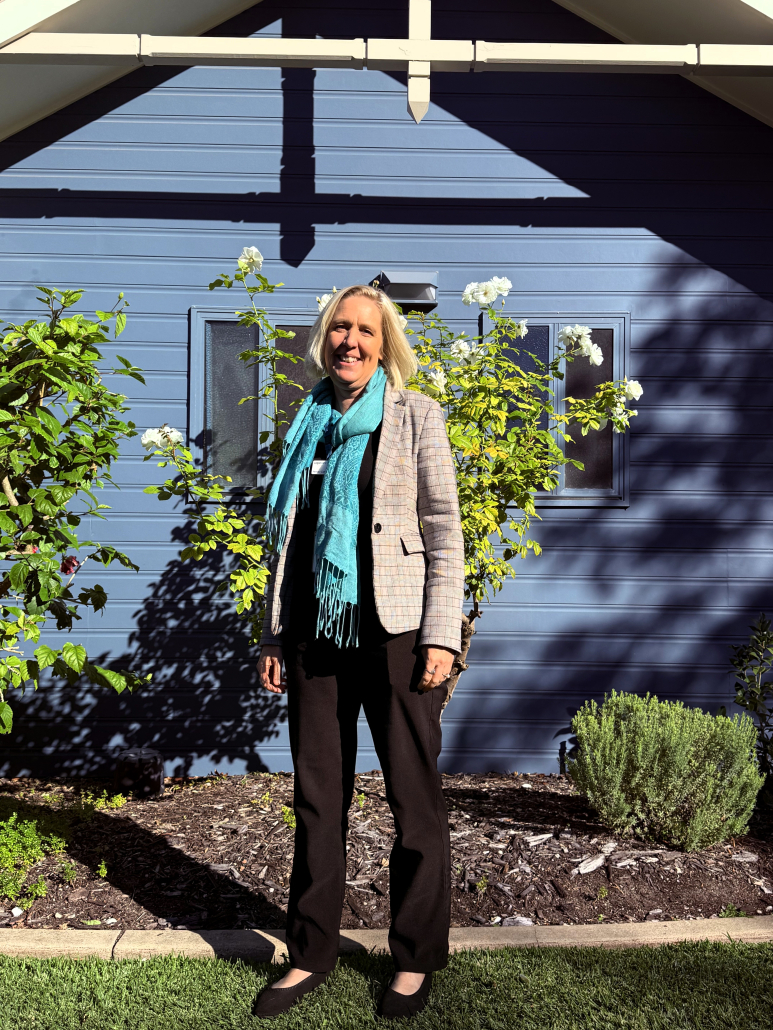
Clinical Manager Satinder Gill also sees nursing as a profession filled with opportunity for growth.

After relocating from New Zealand, Satinder joined Capecare seeking new opportunities and leadership development.

“I chose Capecare for the growth opportunities and the chance to further enhance my skills and experience,” she said.

“What’s special about aged care nursing is supporting elderly people when they need it most while helping maintain their dignity and quality of life.”

Nursing careers can take many different paths

“One thing nursing has never been is boring.” – Kate Moore

Kate Moore, Primary Care Coordinator

Nursing offers diversity throughout a career.

For Primary Care Coordinator Kate Moore, no two days, or career stages, are ever the same.

“The best thing about nursing is the endless variety,” Kate said. “Every role brings new experiences, new people and new opportunities.”

Kate said her own experiences supporting ageing family members sparked a growing interest in aged care and helping people navigate complex systems.

“That experience inspired me to be part of making aged care more accessible, supportive and easier to understand for others.”

Rajesh Kharel also sees nursing as a profession filled with challenge, growth and constant learning.

Rajesh relocated from Finland to Australia seeking greater career opportunities and professional development within healthcare.

“Australia offers much better, faster career growth and higher-level opportunities for nurses,” he said.

Now working at Capecare, Rajesh says the diversity of nursing is what continues to inspire him.

“The different skills, emotions, challenges and opportunities make nursing a very exciting profession and I feel it makes me a better person every day.”

While acknowledging the emotional demands of nursing, Rajesh believes those experiences are also what make aged care meaningful.

“Working in aged care is a profound emotional journey – a mix of joy, attachment and loss.”

“It involves fostering deep, personal connections with residents and sharing in their life stories.”

Community Clinical Services Lead Lee Winning agrees that nursing opens unexpected doors.

“The diversity of career options and the flexibility to work regionally and remotely has allowed me to continue to grow in my role,” Lee said.

Lee’s nursing career has evolved from mental health and community nursing in the UK through to diabetes education, care coordination and clinical leadership roles in Australia.

“From there I moved into program management and now love supporting clinical staff, maintaining safe work practices and improving service delivery.”

The relationships at the heart of aged care nursing

“Residents aren’t just patients — you really get to know them.” – Jess Lou

Jess Lou, Registered Nurse

For many nurses at Capecare, the most rewarding part of aged care nursing is the relationships built with residents and families over time.

Registered Nurse Jess Lou said those connections are what make aged care unique.

“What I love most about nursing is the connection you build with people,” Jess said.

“You support someone not only clinically, but emotionally as well, helping them feel safe, heard and cared for during vulnerable moments.”

As a graduate nurse beginning her career, Jess said aged care offered the opportunity to form meaningful relationships while continuing to learn and grow professionally.

“Residents aren’t just patients you see briefly. You really get to know them, their histories, personalities and what matters most to them.”

Registered Nurse Shauna Renwick said supporting people through difficult times can be both rewarding and emotional.

“As cliched as it sounds, I love helping people,” she said. “It is very rewarding being able to support people through a hard time and help someone get closer to their health goals.”

Shauna relocated from Queensland to the South West and said the region’s coastline and community lifestyle made it an easy decision to stay.

“Aged care is special because you develop a great friendship with elderly clients from supporting them on an ongoing basis.”

International nurses bringing global experience to local care

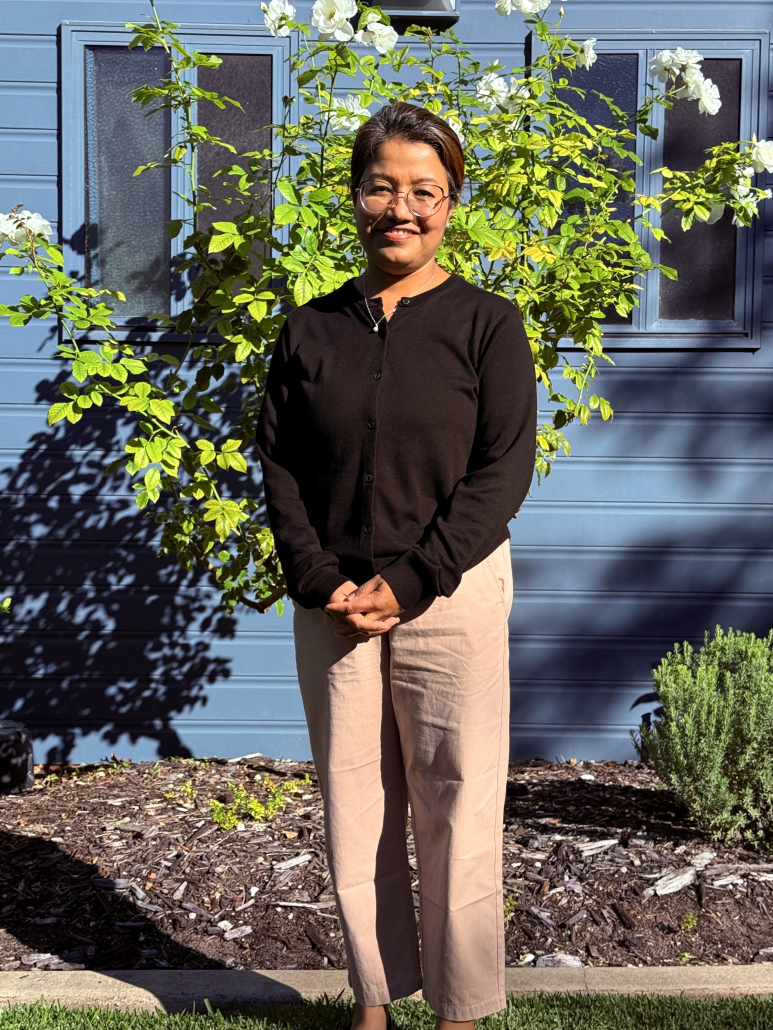
“I am caring for someone else’s parents here.” – Tara Devi

Capecare Registered Nurse Tara Devi

Capecare’s nursing workforce also reflects the increasingly global nature of healthcare, with nurses bringing experience and perspectives from around the world.

Float Registered Nurse Tara Devi has worked in nursing for more than 25 years across Bhutan and Australia, including completing a PhD in Palliative Care.

“What I love about nursing is that special opportunity to be in people’s lives when it is often the most difficult times,” Tara said. “I hold that honour and privilege very close.”

After returning to Australia to reunite with family, Tara joined Capecare to continue her nursing journey in aged care.

“What I found special in aged care nursing is the bond we develop with residents and their families.”

In one of the most heartfelt reflections shared by the nursing team, Tara explained how caring for older people connects deeply to her own family.

“I often say I am not able to care for my ageing parents who are in Bhutan, but I am caring for someone else’s parents here — and that gives me immense joy.”

The future of care

International Nurses Day is an opportunity to recognise not only the care nurses provide today, but also the future they are helping shape.

At Capecare, nurses continue to play a vital role across residential care, community services, education, leadership and clinical innovation, supporting older people to live with dignity, comfort and connection.

From graduate nurses beginning their journey to experienced clinicians mentoring the next generation, each nurse brings their own story, strengths and pathway to the profession.

Together, they are helping shape the future of care in the South West.

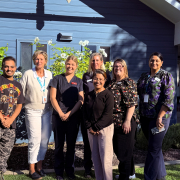
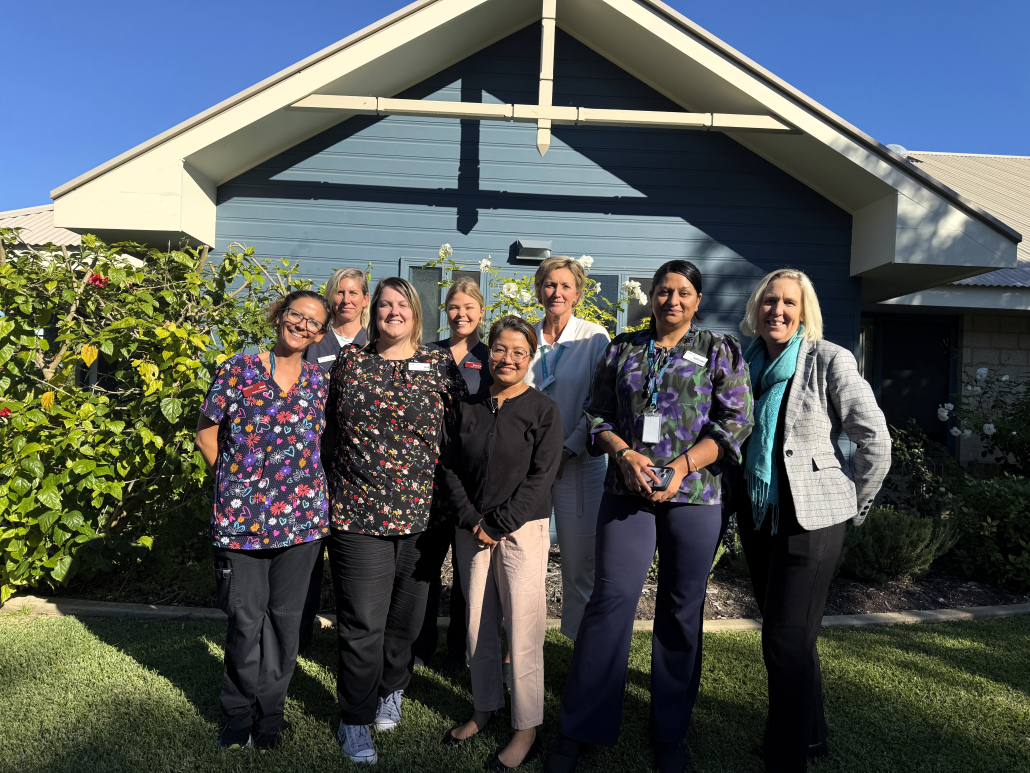
8 professional women of varying ages and nationalities grouped togehter and smiling for the camera outside a blue wall with rose bushes in the background

A welcome step toward clearer, fairer home care

Capecare welcomes today’s announcement to reclassify personal care under the Support at Home program, alongside the Australian Government’s broader investment in aged care.

It’s an important move that better reflects the essential role these services play in supporting dignity, independence and wellbeing at home, while also strengthening the system to meet growing demand. 

As a regional not-for-profit provider, we know how important clear and sustainable funding is to delivering consistent, high-quality care in our community.

We look forward to seeing how these changes are implemented and continuing to support our clients through the transition.

Read more on today’s announcement here

Lions Club donation to Capecare will prevent hospital visits and potentially save lives

The donation of a bladder scanner by Dunsborough Lions Club to Capecare has the potential to reduce hospital visits, improve health outcomes and ultimately save lives for our aged care residents.

Capecare Board Member and Dunsborough GP Dr Mostyn Hamdorf said the new scanner would allow Capecare’s nursing team to test and assess residents quickly and support an earlier diagnosis and treatment of potentially serious conditions.

“The portable bladder scanner donated to Capecare by Dunsborough Lions is a quick, safe, and non-intrusive way of differentiating between urinary obstruction and dehydration,” Dr Hamdorf said.

“For older people, particularly those who may struggle to communicate their symptoms, this technology helps take the guesswork out of diagnosis. The scan only takes a few seconds, and the results can be sent immediately to the resident’s GP so treatment can be arranged quickly.”

The bladder scanner cost approximately $6000 and will be used across Capecare’s Dunsborough and Busselton residential facilities, as well as by nurses supporting home care clients.

Dunsborough Lions Club Secretary Kaye McCormick said the Club was proud to support an organisation that played such an important role in the local community.

“Capecare is part of the fabric of the Dunsborough community, so we didn’t hesitate when we were asked if we could help,” Ms McCormick said.

“We know many people who are residents at Capecare – in fact two of our own members now live at Capecare Dunsborough.

“If residents become unwell because of a urinary issue, they often need to travel by ambulance to Busselton Hospital, which is stressful for everyone involved and places pressure on local services. With this scanner, assessments can happen quickly on site.”

Ms McCormick said the Club had long supported the facility.

“We worked hard for many years to get an aged care facility in Dunsborough, so it’s wonderful to be able to continue supporting projects like this.”

The Dunsborough Lions Club previously donated a Tovertafel interactive memory game table to Capecare shortly after the Dunsborough facility opened in 2021, along with wheelchair-friendly raised garden beds for residents. The Club also contributed financially to the facility during its early planning stages.

Learn more about Dunsborough Lions Club at dunsboroughlions.com.au

Capecare strengthens palliative care through national initiative

Capecare is proud to be participating in the End of Life Directions for Aged Care (ELDAC) initiative – a nationally recognised program designed to support aged care providers to improve palliative care, strengthen advanced care planning, and build stronger connections across health and community services.

The ELDAC project is funded by the Australian Government Department of Health and Aged Care and delivered through a partnership of three universities and national organisations representing aged care, palliative care and primary care.

What is palliative care?

Palliative care is a compassionate and supportive approach that aims to enhance quality of life for individuals living with a life-limiting illness, and for the families and carers supporting them.

It focuses on preventing and relieving suffering through early identification of needs, careful assessment, and effective management of pain and other concerns. This includes physical, psychological, emotional, cultural and spiritual support, ensuring each person’s care is respectful, individualised, and aligned with their values.

What is ELDAC?

The ELDAC model provides a practical framework for improving how aged care services respond to changing health needs and end-of-life care. It supports providers to strengthen:

  • Advance Care Planning
  • Assessing palliative care needs
  • Responding to deterioration
  • Working collaboratively with families, GPs and allied health professionals
  • Connecting with wider palliative care services

This approach can contribute to reduced hospital admissions, shorter hospital stays, and improved quality of life outcomes for older Australians receiving care in residential aged care and in the community.

Capecare’s ELDAC journey

Capecare commenced the ELDAC journey at our Dunsborough facility in November 2025. We will commence at our Busselton facility and in our Community care services in May 2026.

As part of ELDAC, we are focusing on raising awareness and strengthening our approach to palliative and end-of-life care through:

  • targeted meetings and planning activities
  • increased collaboration with GPs and allied health professionals
  • improved access to trusted, evidence-based resources and tools
  • building staff capability through education and training
  • supporting stronger communication and care planning with residents, clients and families

Staff across our Busselton and Dunsborough residential care facilities and community care will have access to a collection of free, evidence-based information, tools and resources developed through ELDAC and supported by trusted programs including palliAGED and Advance Care Planning Australia.

A key part of Capecare’s participation includes support from the Program of Experience in the Palliative Approach (PEPA).

Benefits for Capecare and our community

Capecare’s involvement in ELDAC is expected to deliver wide-ranging benefits, including:

  • stronger support to provide palliative care through structured frameworks and planning
  • access to trusted evidence-based resources and online tools
  • increased education and training to build confidence and expertise
  • greater confidence for staff, volunteers, residents and families
  • a valuable learning opportunity across our entire organisation
  • cost efficiency through grant-funded training opportunities
  • strengthened networks with local palliative care services, GPs and allied health professionals

Capecare is committed to providing compassionate, high-quality care that supports dignity, comfort and choice. The ELDAC initiative is an important step in strengthening our palliative approach and ensuring residents and clients receive the right care, at the right time, in the right place.

We look forward to continuing this journey and sharing further updates as the program expands across our communities.

Invitation: Community information morning

Join Capecare at our free information morning for local seniors and their families on Friday 20 February from 10.30am to 12pm.

We’ll provide information on:

  • Planning to access home support and funding;
  • How Capecare can support you at home, our community services classes and activities
  • Respite services; and
  • Volunteering

Meet some of our key community care team members and share a free morning tea provided by our lovely hospitality team.

The event will be held in our Social Centre in Busselton.

Register at community@capecare.com.au or call 9750 2097.

Capecare celebrates its home care clients each aged 100+

Capecare celebrated the lives of four cherished home care clients last month with a combined 100th birthday party.

Coined as the inaugural ‘100 Club’, each of the four residents are still living in their own homes in Busselton with Capecare’s help.

CEO Tim Nayton said it was a huge achievement to reach the age of 100 and still be living independently.

“Our Community team recently noted we had four clients who had reached 100 years of age, and we couldn’t let it pass without celebrating and acknowledging these extraordinary people,” he said.

“We’ve created a ‘100 Club’ and plan to hold an annual celebration, bringing together our centenarian clients, their family members and our staff.

“Capecare is a genuine community-based organisation and an important part of our mission is to support the community in which we operate,” he said.

Capecare’s 2025 ‘100 Club’ members who attending the party at Capecare’s new Community Centre were:

  • Joan Harlow – 106
  • Hubert Davies – 104
  • George Ferris – 102
  • Violet Hayter – 100

A joy to celebrate lives well lived

Capecare Community Manager Lesley Cunningham said George, Joan, Hubert and Violet were remarkable people.

“They remind us that life is about resilience, family, friendship and the simple joys of everyday living.

“It is a joy to celebrate lives well lived, their wisdom and presence. Our community staff love spending time with each of these cherished clients and learn so much from them. In turn, our staff feel privileged to assist them to live well at home for as long as possible.”

Capecare provides a range of in-home care for older people in the south west including personal care, domestic assistance, gardening, home maintenance, nursing care and medication support, shopping and community transport. It also provides allied health services, a Community Centre in Busselton for day visits, and overnight respite care when carers need time for themselves.  A new Cottage Respite centre provides private suites, each with a bedroom, ensuite and living room, delicious meals and 24-hour nursing care. For  more information visit our Community Services page.


Pictured: Mayor Phill Cronin, Capecare Community Manager Lesley Cunningham, Libby Mettam MP and Hubert’s daughter Jennifer Anderson with Hubert, George, Joan and Violet

Support at Home program is Coming

The Australian Government’s new Support at Home program will launch on 1 November 2025, bringing important changes to the way older Australians access and receive in home aged care services.

This new program is designed to simplify the current system, improve access to services, and provide more flexibility and choice for people who want to continue living independently at home. As a result, existing Home Care Packages and related services will transition into the new Support at Home model.

If you are currently receiving Capecare’s in home aged care services, or if you are exploring your care options for the future, it’s completely natural to have questions about what these changes mean for you, your services, and your ongoing support. You may be wondering how funding will work, whether your current care can continue, or what steps—if any—you need to take.

To help make this transition as smooth and stress-free as possible, we have created a practical and easy-to-understand guide. This guide explains what the Support at Home program is, what’s changing, what’s staying the same, and how you can continue to access the care and services you need to live safely, comfortably, and confidently at home.

View and download our Support at Home guide HERE.

You can also explore our Support at Home Packages, which outline the types of care, services, and support Capecare can provide under the new program.

View our Support at Home Packages HERE.


Free information sessions on aged care Support at Home changes

The Federal Government is introducing changes to the way home care services are charged from 1 July 2025.

A new Support at Home program will replace Home Care Packages and the Short-Term Restorative Care Programme.

Capecare is presenting two free information sessions in June to help people understand these Support at Home changes, plus they will share information on respite care and aged care services available in the community.

Capecare’s Community Manager Lesley Cunningham said the Government’s changes would help older people stay in their homes for longer and hopefully make the system more equitable.

“We’ve been planning for these changes being implemented and are keen to share information with our community members so they can find out how they can access our services,” she said.

“The new process will improve access to services and our goal at Capecare is to keep our community clients at home for as long as possible, connecting them to our services and dedicated support workers to allow them to age in place with dignity.

“Capecare provides a community social centre, respite stays, in-home respite care, allied health and in-home care so we are able to provide our clients with consistent care, tailored to their needs.

Find out about how you or a loved one can access federal funding and Capecare’s services in Busselton on Thursday 12 June at 10.30am at Capecare’s Community Centre at 20 Ray Avenue Busselton, or in Dunsborough on Wednesday 11 June at the CWA Rooms at Capecare Dunsborough at 171 Naturaliste Terrace from 9am to 11am.

Morning tea will be provided and Capecare’s Community team will be on hand to answer all of your questions.

RSVP to community@capecare.com.au or call 9750 2097.

Celebrating Our Capecare Nurses | International Nurses Day

At Capecare, we are proud to shine a light on the incredible work of our dedicated nursing team who care for clients and residents across Busselton, Dunsborough, and the wider South West community.

This International Nurses Day (12 May), we recognise and celebrate the compassion, expertise, and commitment our nurses bring to their roles every single day.

In the video linked below, we profile three of our amazing nurses, offering a glimpse into their day-to-day work and the meaningful relationships they build with those they support.

While we’re grateful for our nurses every day, 12 May — Florence Nightingale’s birthday — is a special reminder to honour the nurses in our lives.

Take a moment today to say thank you, check in, and show your appreciation.

With heartfelt thanks, From all of us at Capecare

Capecare International Nurses Day video


Accessibility Toolbar