Celebrating our volunteers who bring connection, kindness and joy

This National Volunteer Week, we celebrate the wonderful people who give their time, kindness and companionship to Capecare.

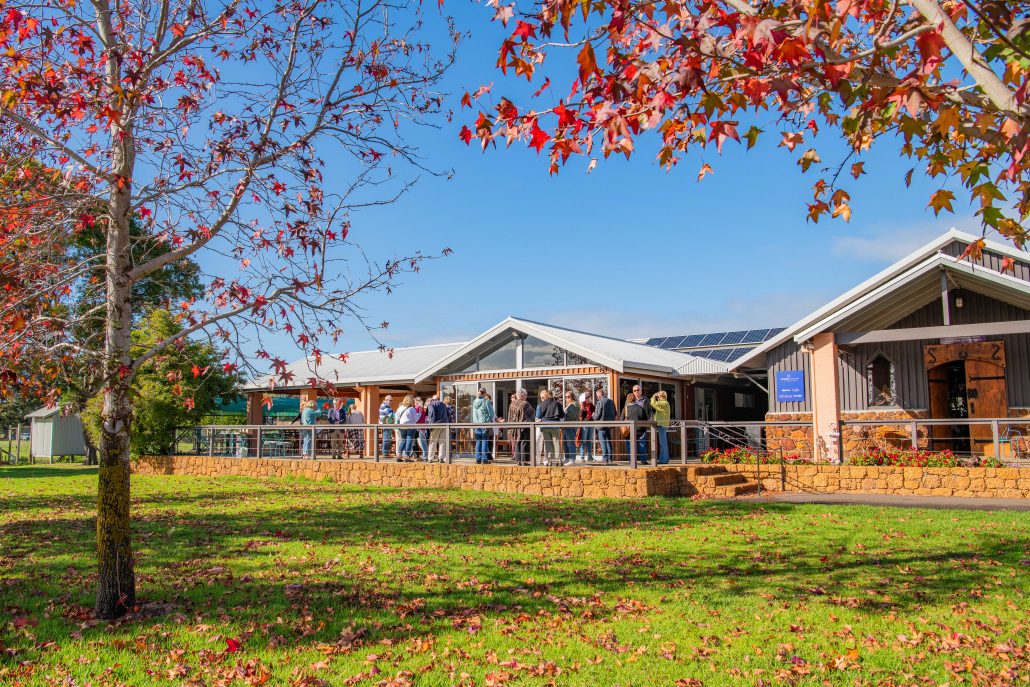
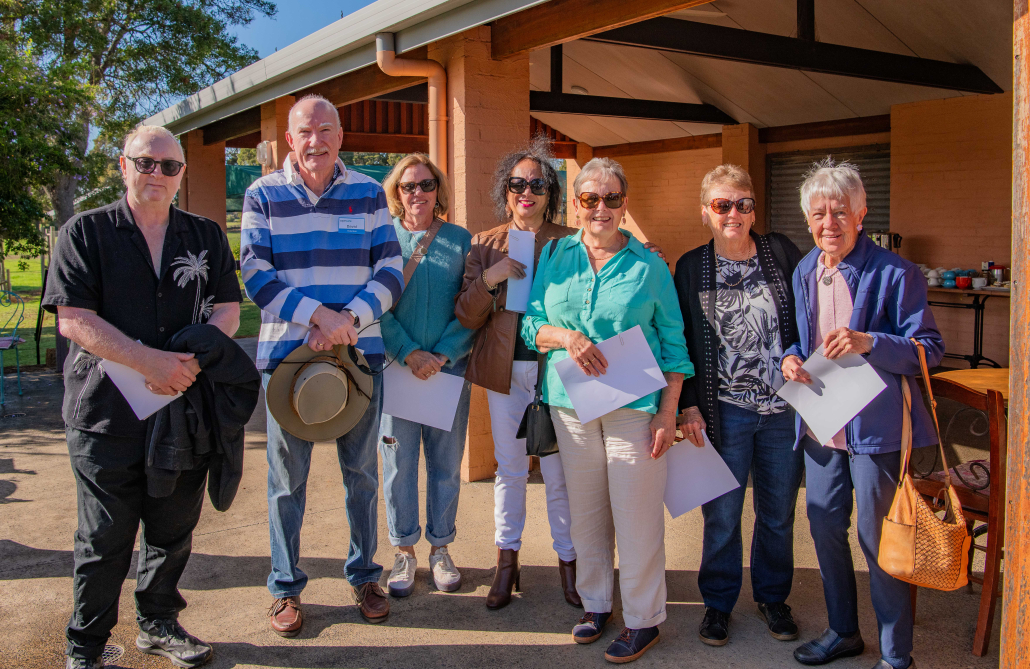
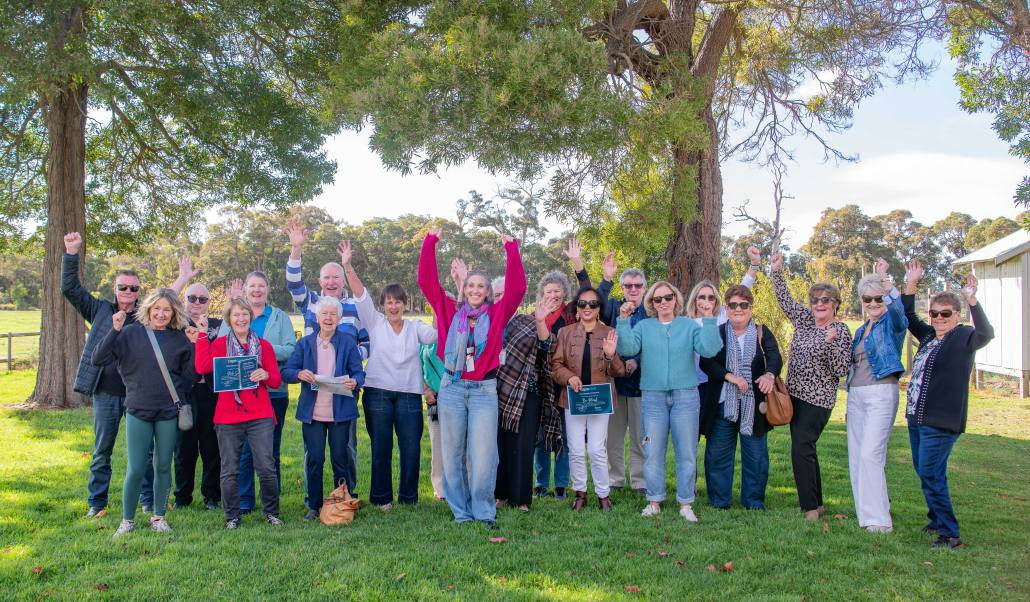
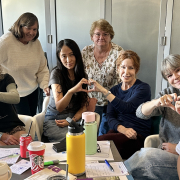
On Friday, a number of our volunteers gathered for a special morning tea at Anniebrook Farm Café in Carbanup, where CEO Tim Nayton thanked them for the very real difference they make in the lives of our residents and Community clients.

Volunteers bring warmth, connection and joy to Capecare every day. Whether it is through a friendly conversation, a shared activity, a helping hand or companionship, their presence makes a difference.

The morning included delicious scones and preserves, thanks to Dawn and the team at Anniebrook, as well as award presentations recognising many hours and years of dedicated service. Awards were presented by Chair Martha Ryan and board member Mostyn Hamdorf.

Congratulations and heartfelt thanks to all of our volunteers, including those recognised for 1000 hours of service, 5 years, 10 years and 15 years of volunteering:

  • 15 years of service – Leah Jones
  • 10 years of service – Ellen Stonehouse
  • 5 years of service – Cheryl French, David McTaminey, Nola Sauzier and Malcolm Van Rensburg
  • 1000 hours of service – Jan Assan, Robyn Bowering, Sharon Doohan, Bec Marsh and Nola Sauzier.

You are all such an important part of our Capecare community.

Interested in being a Capecare volunteer? Find out more here. We’d love to talk to you. 

Building confidence and compassion in palliative care

Capecare nursing and care staff have taken part in specialised education and training during National Palliative Care Week, strengthening their skills and confidence in supporting residents, clients and families through end-of-life care.

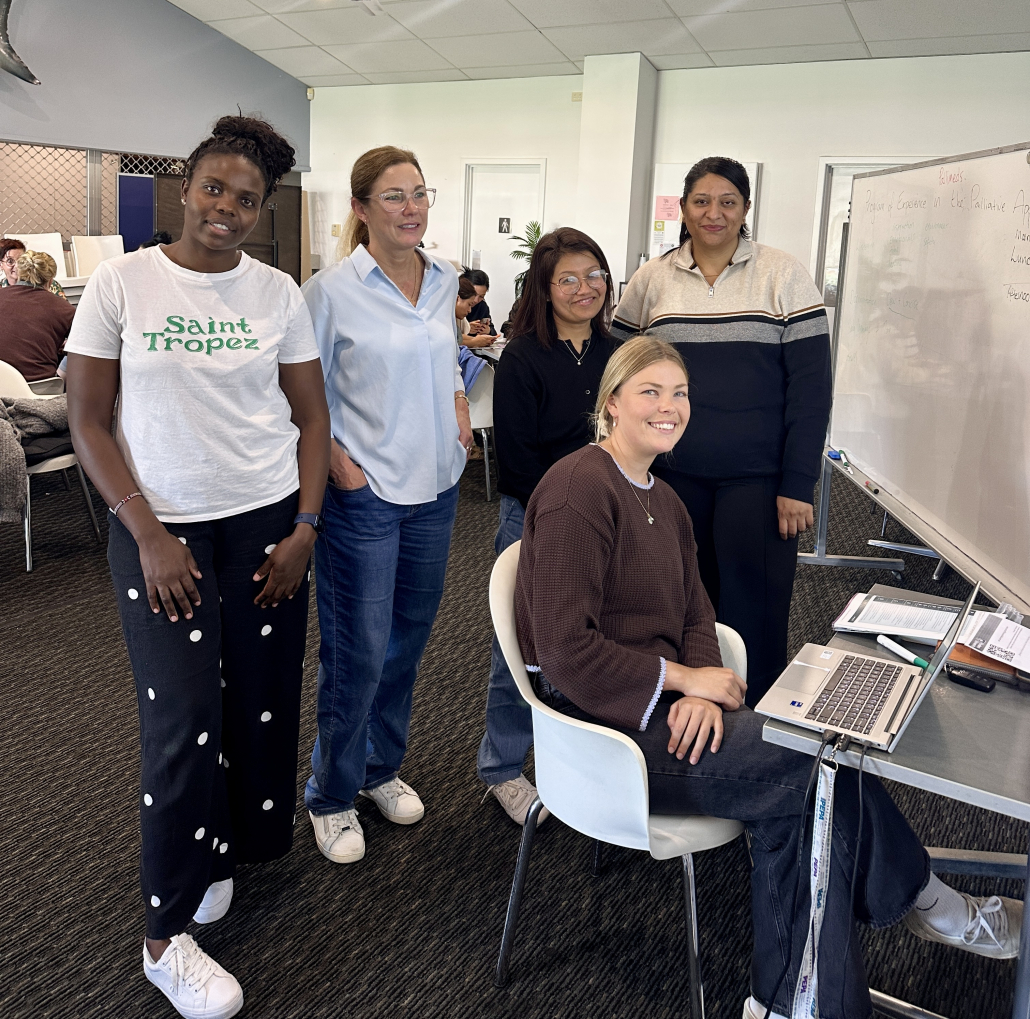
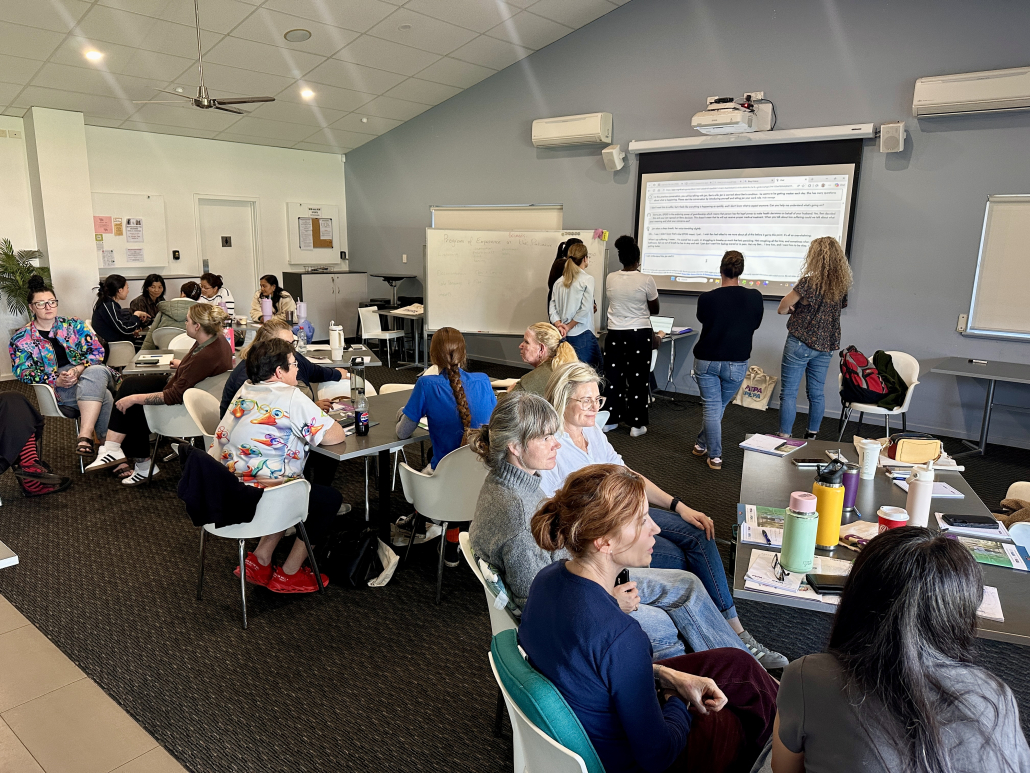
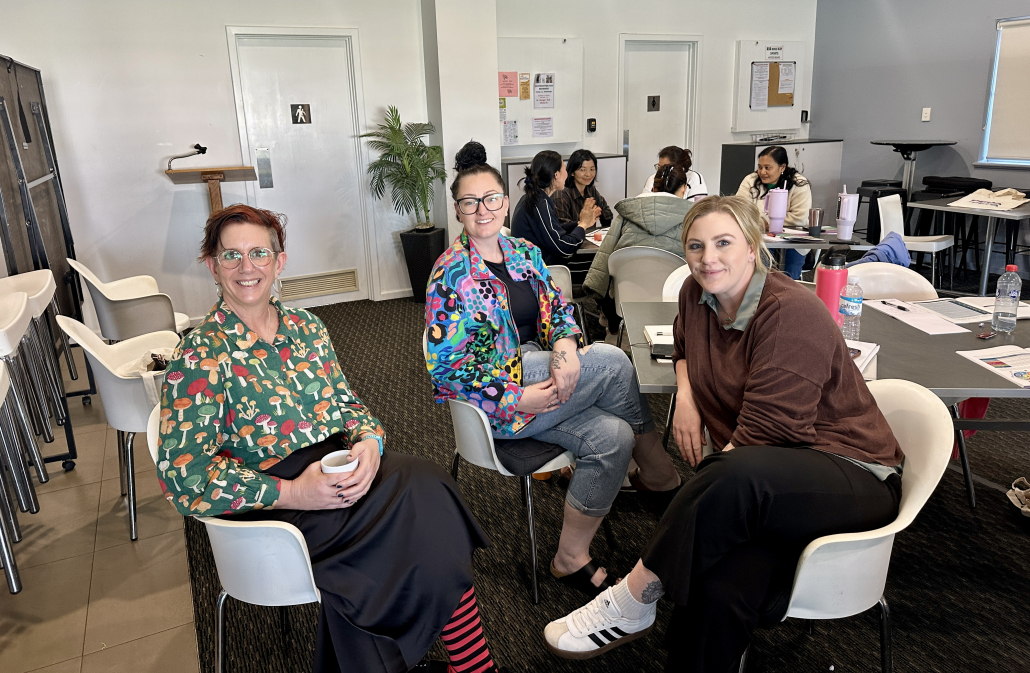
Staff from our Busselton, Dunsborough and Community teams participated in the Program of Experience in the Palliative Approach (PEPA), delivered by an Aged Care Nurse Educator Charlotte Coulson from QUT Cancer and Palliative Care Outcomes Centre across two dedicated two-day training programs.

Our staff were freed from their usual workloads to fully immerse themselves in the learning experience, reflecting Capecare’s commitment to quality care and professional development.

The PEPA program supports the aged care workforce to build knowledge, practical skills and confidence in providing compassionate palliative and end-of-life care.

Through interactive workshops, discussions and scenario-based learning, staff explored communication, symptom management, advance care planning and ways to support residents and families during some of life’s most challenging moments.

At Capecare, we understand that compassionate palliative care is about far more than clinical support. It is about dignity, empathy, connection and ensuring people feel safe, respected and cared for throughout every stage of their journey.

This training helps equip our teams with the confidence and understanding to have meaningful conversations, respond to individual needs and provide comfort-focused care with compassion and professionalism.

The PEPA training was funded through an Australian Government Department of Health and Aged Care grant.

We thank all staff who participated for their commitment to continuous learning and for the compassionate care they provide to our residents, clients and families every day.


Our Nurses Our Future – The many paths of nursing at Capecare

This year’s International Nurses Day theme, Our Nurses. Our Future recognises the vital role nurses play in shaping stronger healthcare systems and healthier communities for generations to come.

At Capecare, that future is reflected in the many ways our nurses care, lead, educate and connect every day.

From graduate nurses beginning their careers to internationally experienced clinicians, educators, care coordinators and clinical leaders, nursing at Capecare is as diverse as the people who choose it.

Across residential aged care, community services and clinical leadership, Capecare’s nursing team brings compassion, expertise and humanity to every stage of ageing.

Learning and Leading

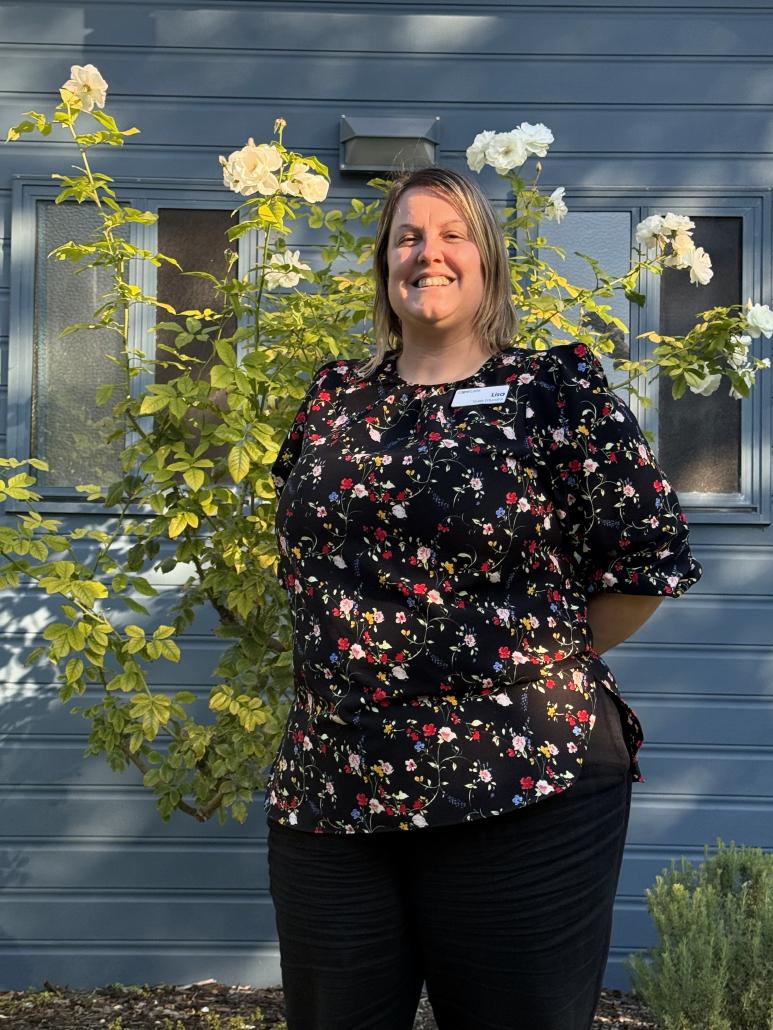
“I wanted to help develop the nurses of the future.” – Lisa Roberts

Lisa Roberts, Nurse Educator

For Nurse Educator Lisa Roberts, nursing has come full circle.

Originally from England, Lisa began her working life in aged care as a teenager and now supports and mentors nurses as Capecare’s Nurse Educator.

“I always wanted to be a nurse,” Lisa said.

“I worked from a Health Care worker up to Nurse Educator and learnt so much on the way from my peers and from the amazing people I have cared for.”

Throughout her career, Lisa has worked across acute care, community nursing and cancer services, experiences she says shaped both her perspective and her passion for teaching future nurses.

“I wanted to help develop the nurses of the future – how to care for people, to walk in their shoes and ensure they show dignity and respect.”

For Lisa, aged care nursing is deeply personal. “I feel it’s a privilege looking after our elders as they have so much life experience and tales to tell.”

Clinical Manager Satinder Gill also sees nursing as a profession filled with opportunity for growth.

After relocating from New Zealand, Satinder joined Capecare seeking new opportunities and leadership development.

“I chose Capecare for the growth opportunities and the chance to further enhance my skills and experience,” she said.

“What’s special about aged care nursing is supporting elderly people when they need it most while helping maintain their dignity and quality of life.”

Nursing careers can take many different paths

“One thing nursing has never been is boring.” – Kate Moore

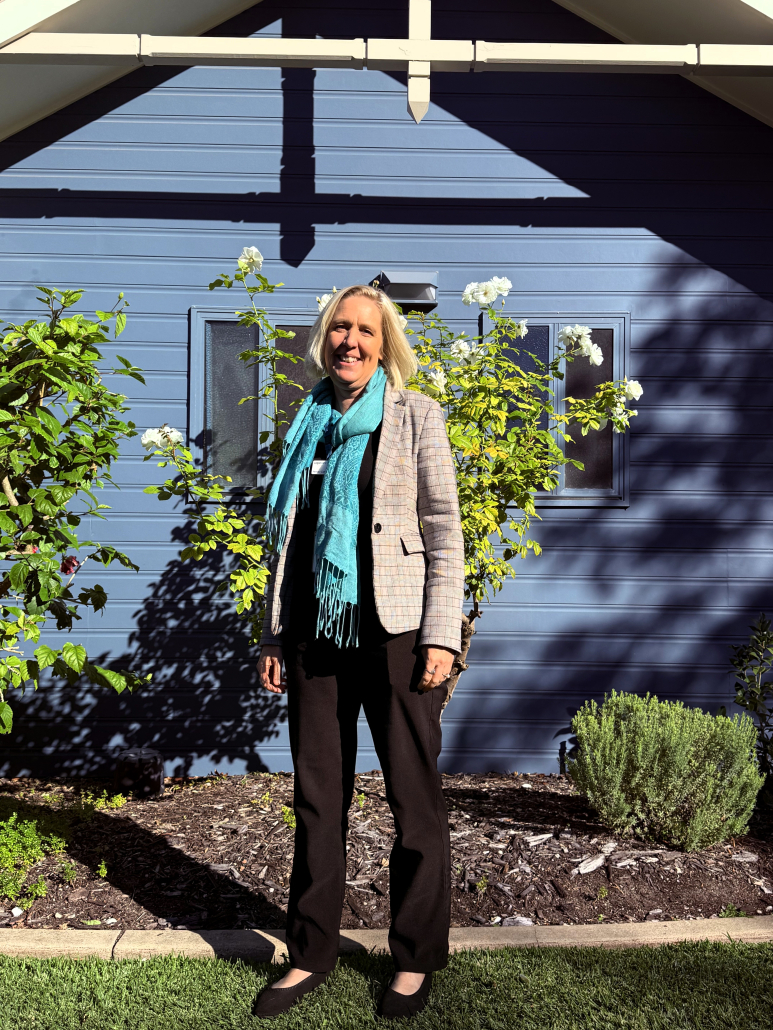
Kate Moore, Primary Care Coordinator

Nursing offers diversity throughout a career.

For Primary Care Coordinator Kate Moore, no two days, or career stages, are ever the same.

“The best thing about nursing is the endless variety,” Kate said. “Every role brings new experiences, new people and new opportunities.”

Kate said her own experiences supporting ageing family members sparked a growing interest in aged care and helping people navigate complex systems.

“That experience inspired me to be part of making aged care more accessible, supportive and easier to understand for others.”

Rajesh Kharel also sees nursing as a profession filled with challenge, growth and constant learning.

Rajesh relocated from Finland to Australia seeking greater career opportunities and professional development within healthcare.

“Australia offers much better, faster career growth and higher-level opportunities for nurses,” he said.

Now working at Capecare, Rajesh says the diversity of nursing is what continues to inspire him.

“The different skills, emotions, challenges and opportunities make nursing a very exciting profession and I feel it makes me a better person every day.”

While acknowledging the emotional demands of nursing, Rajesh believes those experiences are also what make aged care meaningful.

“Working in aged care is a profound emotional journey – a mix of joy, attachment and loss.”

“It involves fostering deep, personal connections with residents and sharing in their life stories.”

Community Clinical Services Lead Lee Winning agrees that nursing opens unexpected doors.

“The diversity of career options and the flexibility to work regionally and remotely has allowed me to continue to grow in my role,” Lee said.

Lee’s nursing career has evolved from mental health and community nursing in the UK through to diabetes education, care coordination and clinical leadership roles in Australia.

“From there I moved into program management and now love supporting clinical staff, maintaining safe work practices and improving service delivery.”

The relationships at the heart of aged care nursing

“Residents aren’t just patients — you really get to know them.” – Jess Lou

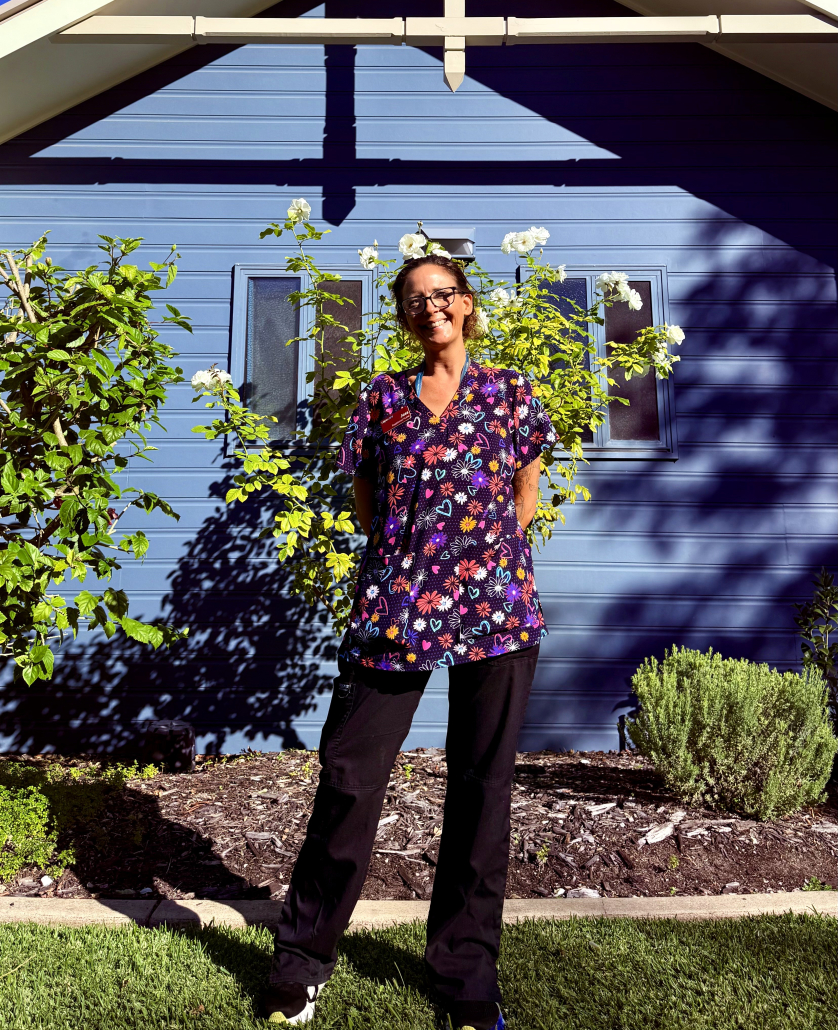
Jess Lou, Registered Nurse

For many nurses at Capecare, the most rewarding part of aged care nursing is the relationships built with residents and families over time.

Registered Nurse Jess Lou said those connections are what make aged care unique.

“What I love most about nursing is the connection you build with people,” Jess said.

“You support someone not only clinically, but emotionally as well, helping them feel safe, heard and cared for during vulnerable moments.”

As a graduate nurse beginning her career, Jess said aged care offered the opportunity to form meaningful relationships while continuing to learn and grow professionally.

“Residents aren’t just patients you see briefly. You really get to know them, their histories, personalities and what matters most to them.”

Registered Nurse Shauna Renwick said supporting people through difficult times can be both rewarding and emotional.

“As cliched as it sounds, I love helping people,” she said. “It is very rewarding being able to support people through a hard time and help someone get closer to their health goals.”

Shauna relocated from Queensland to the South West and said the region’s coastline and community lifestyle made it an easy decision to stay.

“Aged care is special because you develop a great friendship with elderly clients from supporting them on an ongoing basis.”

International nurses bringing global experience to local care

“I am caring for someone else’s parents here.” – Tara Devi

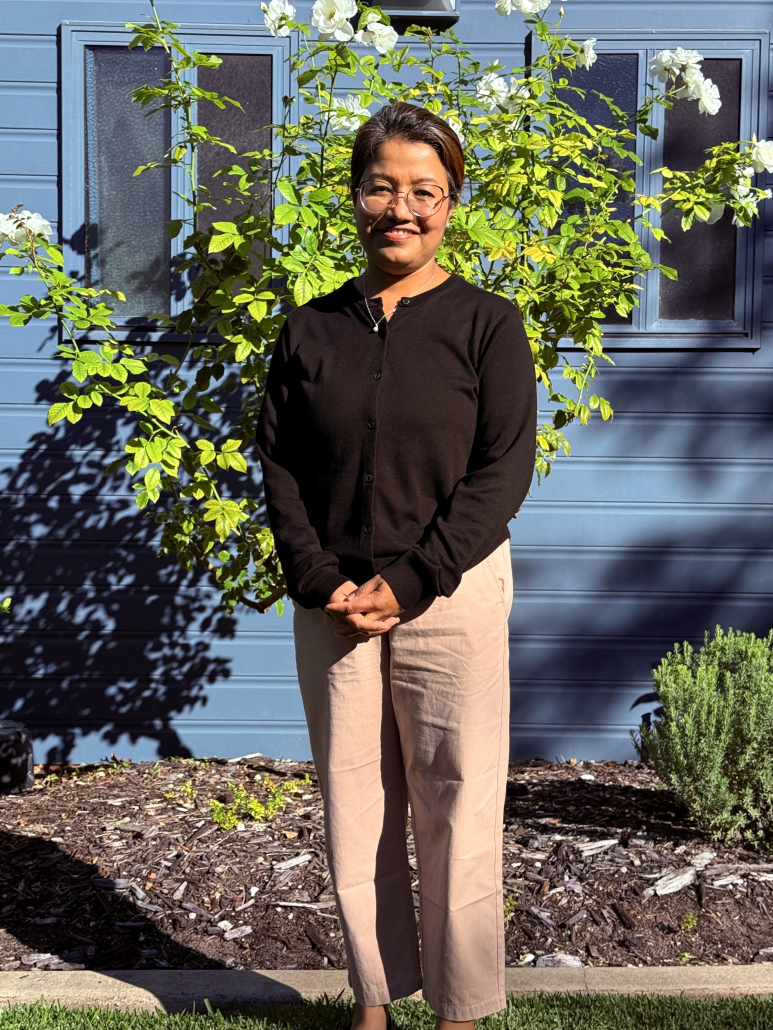
Capecare Registered Nurse Tara Devi

Capecare’s nursing workforce also reflects the increasingly global nature of healthcare, with nurses bringing experience and perspectives from around the world.

Float Registered Nurse Tara Devi has worked in nursing for more than 25 years across Bhutan and Australia, including completing a PhD in Palliative Care.

“What I love about nursing is that special opportunity to be in people’s lives when it is often the most difficult times,” Tara said. “I hold that honour and privilege very close.”

After returning to Australia to reunite with family, Tara joined Capecare to continue her nursing journey in aged care.

“What I found special in aged care nursing is the bond we develop with residents and their families.”

In one of the most heartfelt reflections shared by the nursing team, Tara explained how caring for older people connects deeply to her own family.

“I often say I am not able to care for my ageing parents who are in Bhutan, but I am caring for someone else’s parents here — and that gives me immense joy.”

The future of care

International Nurses Day is an opportunity to recognise not only the care nurses provide today, but also the future they are helping shape.

At Capecare, nurses continue to play a vital role across residential care, community services, education, leadership and clinical innovation, supporting older people to live with dignity, comfort and connection.

From graduate nurses beginning their journey to experienced clinicians mentoring the next generation, each nurse brings their own story, strengths and pathway to the profession.

Together, they are helping shape the future of care in the South West.

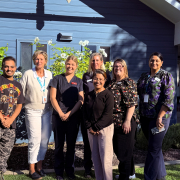
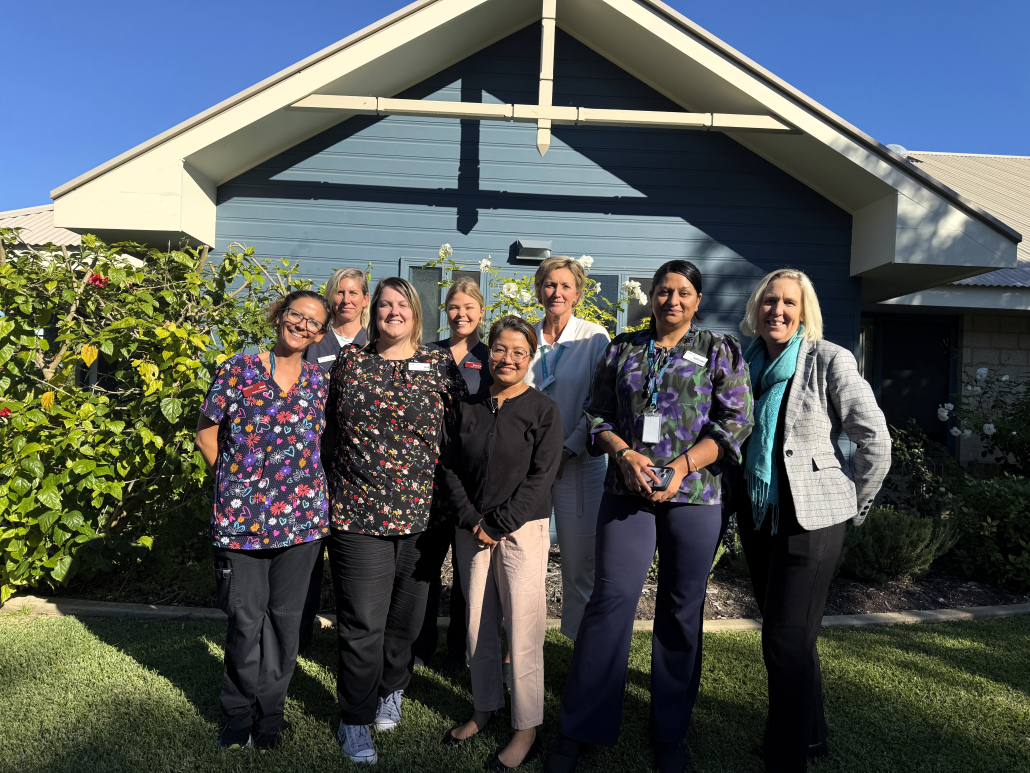
8 professional women of varying ages and nationalities grouped togehter and smiling for the camera outside a blue wall with rose bushes in the background

South West’s only short-stay respite care helps families in Christmas lead-up

The South West’s only short-stay respite care service has had a busy November as families prepare for the holiday season.

Capecare cottage respite is the only one of its kind in the South West, offering short-term visits for senior citizens who need daily care to give their carers a break.

Unlike normal respite care, which can last for several months, the cottages host guests for only up to two weeks, making the stay more like a hotel service.

Recently the cottages have had a major refurbishment, with upgrades in September making the facilities more welcoming. Guests are able to take part in daily activities and socialise with others while being cared for.

Capecare chief executive office Tim Nayton said the service aimed to help community members support their family while also having a break when needed.

“People come here who live in the community but require a level of care and support to continue to live comfortably, and that care and support often always comes from a family member,” he said.

“It may be a spouse, or it can also be a child, and it is a huge commitment and can be a pretty exhausting commitment over time, which they take on with the best of intentions and love.

“But this does come with a lot of work; for some people it’s 24-7 living with and caring for their partner.

“Having a respite program like this provides an opportunity for the carer to be able to rejuvenate and refresh themselves and to have a bit of downtime, which sometimes is all someone needs.”

Mr Nayton said the festive season could be challenging for families, with the normal rhythm of life interrupted.

“It can be an issue and create difficulty for some people, so having a respite facility like this allows people and carers to feel confident, comfortable and reassured that they are able to give themselves a break and the person they are caring for is being looked after,” he said.

December had been less busy for the cottages, with more family around to help day-to-day carers, but Mr Nayton said November had been a busy month as people prepare for Christmas.

“There is a huge amount of carers who have enormous levels of guilt or a sense of failure if they feel compelled or are encouraged to use respite care,” he said.

“But it just doesn’t need to be; it’s not healthy and there are some real benefits for people using respite in some form.”

View the story online here: https://www.swtimes.com.au/news/regional/south-wests-only-short-stay-respite-care-helps-families-in-christmas-lead-up-c-17147467

Capecare provides respite for seniors and their carers

Caring for a loved one with failing health at home can be a stressful and exhausting experience.

Busselton resident Jenny Seia knows only too well how difficult the journey can be. When she was offered respite services at Capecare for her husband Clem, who was diagnosed with dementia and Alzheimer’s in 2017, she also discovered some breathing space for herself.

“Our case worker recommended taking it one day at a time when Clem first started day visits to Capecare, as we weren’t sure how he would cope with the change,” she said. “But he loved it from day one, it’s been just marvellous.”

Clem, who is 84, now attends Capecare’s Social Centre three days a week and stays overnight in the Cottage Respite three nights a week, which allows Jenny to get things done around the house and have a well-earned rest.

“They can entertain him better than me and he has likeminded people there. The staff look after him so well and I know he’s in great hands,” she said.

“Without the Capecare staff I don’t know how I would cope. They’re so helpful. I took him there one day and he was in a foul mood but by the time he came home he was happy. They’ve helped not just Clem but me too.”

Jenny and Clem have been married for 47 years and have six children. She’s seen Clem’s mental condition deteriorate gradually and being an active man presents challenges for her in keeping him busy but safe.  He’s no longer able to go on much-loved bike rides as he can end up far away from home, unable to find his way back.

“It helps me a lot being able to have days where Clem goes to the Social Centre, I can do things in the house without needing to entertain him. It helps my sanity. When he’s home I don’t get much done. I can put the TV on but it only works for so long. We often drive around for a couple of hours just to keep him occupied.”

Jenny recounted Clem returning from a recent Capecare, excited that there were some guys visiting who provided great company for him. ”It makes me smile because he’s happy there.  When he now says I’m going home, he means Capecare.”

Capecare’s Cottage Respite recently reopened after being temporarily closed because of COVID aged care home restrictions. Community members like Clem can stay for 1 night to two weeks depending on their circumstances. From January Cottage Respite will be available seven days a week.

Cottage Respite rooms provide an accessible bedroom and ensuite bathroom, and 24-hour care by trained staff.

Clients using the Cottage Respite service also have access to the Capecare Social Centre which is open Monday to Friday.

Both services are co-located at Capecare’s Busselton facility on Ray Avenue and available to local seniors and people living with a disability who have an assessed need and meet the required criteria.

“We’ve seen great benefits for people who don’t have the opportunity to interact with a lot of people when they’re at home,” Capecare Home and Community Manager Rachel Meares said.

“The Social Centre offers seniors the opportunity to socialise and connect and take part in an array of activities, events and outings, as well as offering respite to carers supporting a loved one at home.

Transport is available to and from the centre.

For more information, contact Rachel Meares on 9750 2097 or rachel.meares@capecare.com.au.
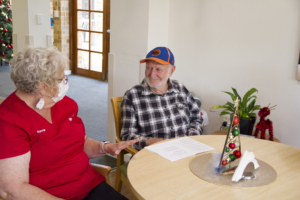
Capecares-Kerrie-Larsen-with-respite-client-Clem-Seia.

Accessibility Toolbar