Our Nurses Our Future – The many paths of nursing at Capecare

This year’s International Nurses Day theme, Our Nurses. Our Future recognises the vital role nurses play in shaping stronger healthcare systems and healthier communities for generations to come.

At Capecare, that future is reflected in the many ways our nurses care, lead, educate and connect every day.

From graduate nurses beginning their careers to internationally experienced clinicians, educators, care coordinators and clinical leaders, nursing at Capecare is as diverse as the people who choose it.

Across residential aged care, community services and clinical leadership, Capecare’s nursing team brings compassion, expertise and humanity to every stage of ageing.

Learning and Leading

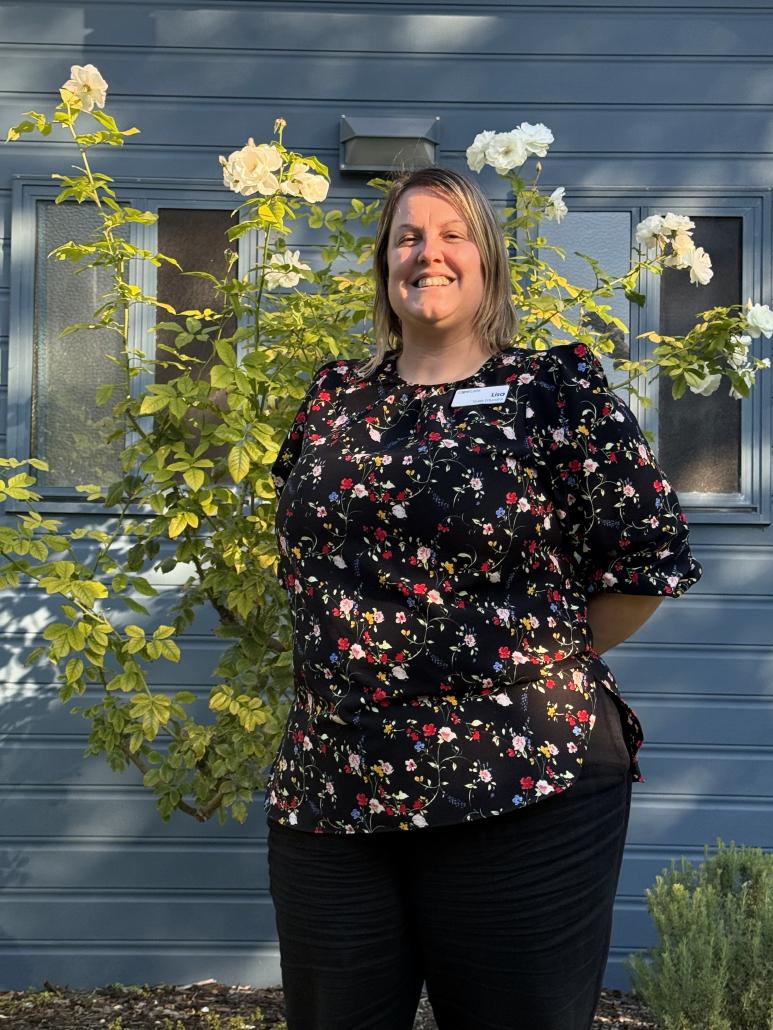
“I wanted to help develop the nurses of the future.” – Lisa Roberts

Lisa Roberts, Nurse Educator

For Nurse Educator Lisa Roberts, nursing has come full circle.

Originally from England, Lisa began her working life in aged care as a teenager and now supports and mentors nurses as Capecare’s Nurse Educator.

“I always wanted to be a nurse,” Lisa said.

“I worked from a Health Care worker up to Nurse Educator and learnt so much on the way from my peers and from the amazing people I have cared for.”

Throughout her career, Lisa has worked across acute care, community nursing and cancer services, experiences she says shaped both her perspective and her passion for teaching future nurses.

“I wanted to help develop the nurses of the future – how to care for people, to walk in their shoes and ensure they show dignity and respect.”

For Lisa, aged care nursing is deeply personal. “I feel it’s a privilege looking after our elders as they have so much life experience and tales to tell.”

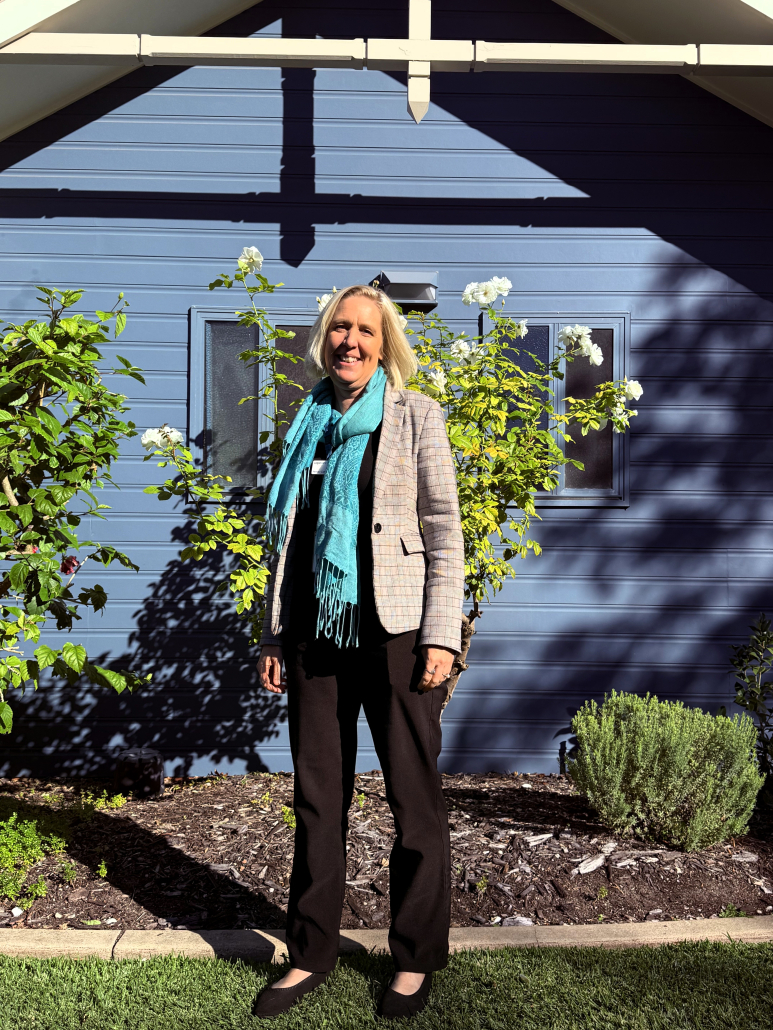
Clinical Manager Satinder Gill also sees nursing as a profession filled with opportunity for growth.

After relocating from New Zealand, Satinder joined Capecare seeking new opportunities and leadership development.

“I chose Capecare for the growth opportunities and the chance to further enhance my skills and experience,” she said.

“What’s special about aged care nursing is supporting elderly people when they need it most while helping maintain their dignity and quality of life.”

Nursing careers can take many different paths

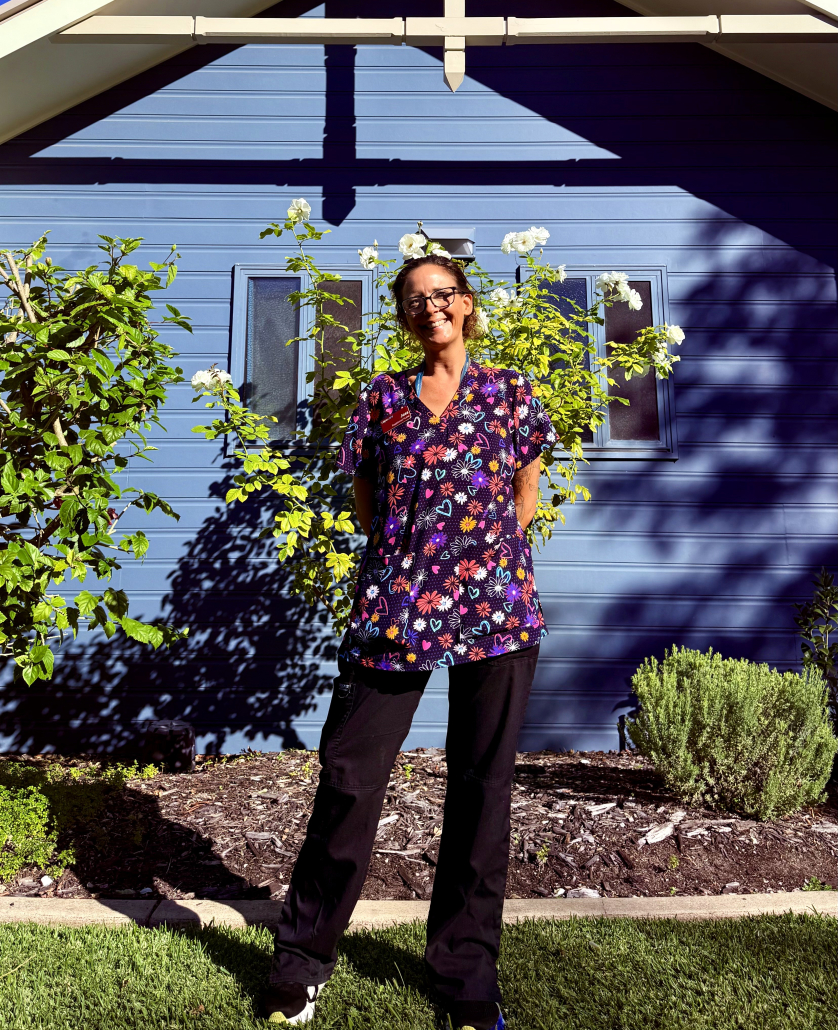
“One thing nursing has never been is boring.” – Kate Moore

Kate Moore, Primary Care Coordinator

Nursing offers diversity throughout a career.

For Primary Care Coordinator Kate Moore, no two days, or career stages, are ever the same.

“The best thing about nursing is the endless variety,” Kate said. “Every role brings new experiences, new people and new opportunities.”

Kate said her own experiences supporting ageing family members sparked a growing interest in aged care and helping people navigate complex systems.

“That experience inspired me to be part of making aged care more accessible, supportive and easier to understand for others.”

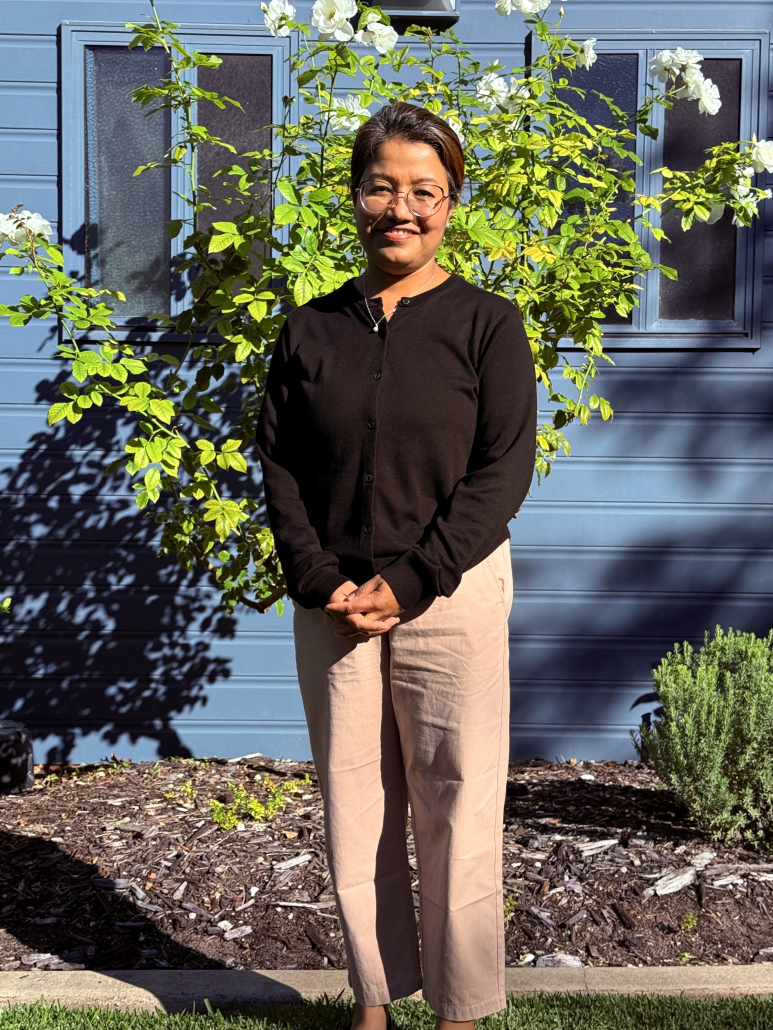
Rajesh Kharel also sees nursing as a profession filled with challenge, growth and constant learning.

Rajesh relocated from Finland to Australia seeking greater career opportunities and professional development within healthcare.

“Australia offers much better, faster career growth and higher-level opportunities for nurses,” he said.

Now working at Capecare, Rajesh says the diversity of nursing is what continues to inspire him.

“The different skills, emotions, challenges and opportunities make nursing a very exciting profession and I feel it makes me a better person every day.”

While acknowledging the emotional demands of nursing, Rajesh believes those experiences are also what make aged care meaningful.

“Working in aged care is a profound emotional journey – a mix of joy, attachment and loss.”

“It involves fostering deep, personal connections with residents and sharing in their life stories.”

Community Clinical Services Lead Lee Winning agrees that nursing opens unexpected doors.

“The diversity of career options and the flexibility to work regionally and remotely has allowed me to continue to grow in my role,” Lee said.

Lee’s nursing career has evolved from mental health and community nursing in the UK through to diabetes education, care coordination and clinical leadership roles in Australia.

“From there I moved into program management and now love supporting clinical staff, maintaining safe work practices and improving service delivery.”

The relationships at the heart of aged care nursing

“Residents aren’t just patients — you really get to know them.” – Jess Lou

Jess Lou, Registered Nurse

For many nurses at Capecare, the most rewarding part of aged care nursing is the relationships built with residents and families over time.

Registered Nurse Jess Lou said those connections are what make aged care unique.

“What I love most about nursing is the connection you build with people,” Jess said.

“You support someone not only clinically, but emotionally as well, helping them feel safe, heard and cared for during vulnerable moments.”

As a graduate nurse beginning her career, Jess said aged care offered the opportunity to form meaningful relationships while continuing to learn and grow professionally.

“Residents aren’t just patients you see briefly. You really get to know them, their histories, personalities and what matters most to them.”

Registered Nurse Shauna Renwick said supporting people through difficult times can be both rewarding and emotional.

“As cliched as it sounds, I love helping people,” she said. “It is very rewarding being able to support people through a hard time and help someone get closer to their health goals.”

Shauna relocated from Queensland to the South West and said the region’s coastline and community lifestyle made it an easy decision to stay.

“Aged care is special because you develop a great friendship with elderly clients from supporting them on an ongoing basis.”

International nurses bringing global experience to local care

“I am caring for someone else’s parents here.” – Tara Devi

Capecare Registered Nurse Tara Devi

Capecare’s nursing workforce also reflects the increasingly global nature of healthcare, with nurses bringing experience and perspectives from around the world.

Float Registered Nurse Tara Devi has worked in nursing for more than 25 years across Bhutan and Australia, including completing a PhD in Palliative Care.

“What I love about nursing is that special opportunity to be in people’s lives when it is often the most difficult times,” Tara said. “I hold that honour and privilege very close.”

After returning to Australia to reunite with family, Tara joined Capecare to continue her nursing journey in aged care.

“What I found special in aged care nursing is the bond we develop with residents and their families.”

In one of the most heartfelt reflections shared by the nursing team, Tara explained how caring for older people connects deeply to her own family.

“I often say I am not able to care for my ageing parents who are in Bhutan, but I am caring for someone else’s parents here — and that gives me immense joy.”

The future of care

International Nurses Day is an opportunity to recognise not only the care nurses provide today, but also the future they are helping shape.

At Capecare, nurses continue to play a vital role across residential care, community services, education, leadership and clinical innovation, supporting older people to live with dignity, comfort and connection.

From graduate nurses beginning their journey to experienced clinicians mentoring the next generation, each nurse brings their own story, strengths and pathway to the profession.

Together, they are helping shape the future of care in the South West.

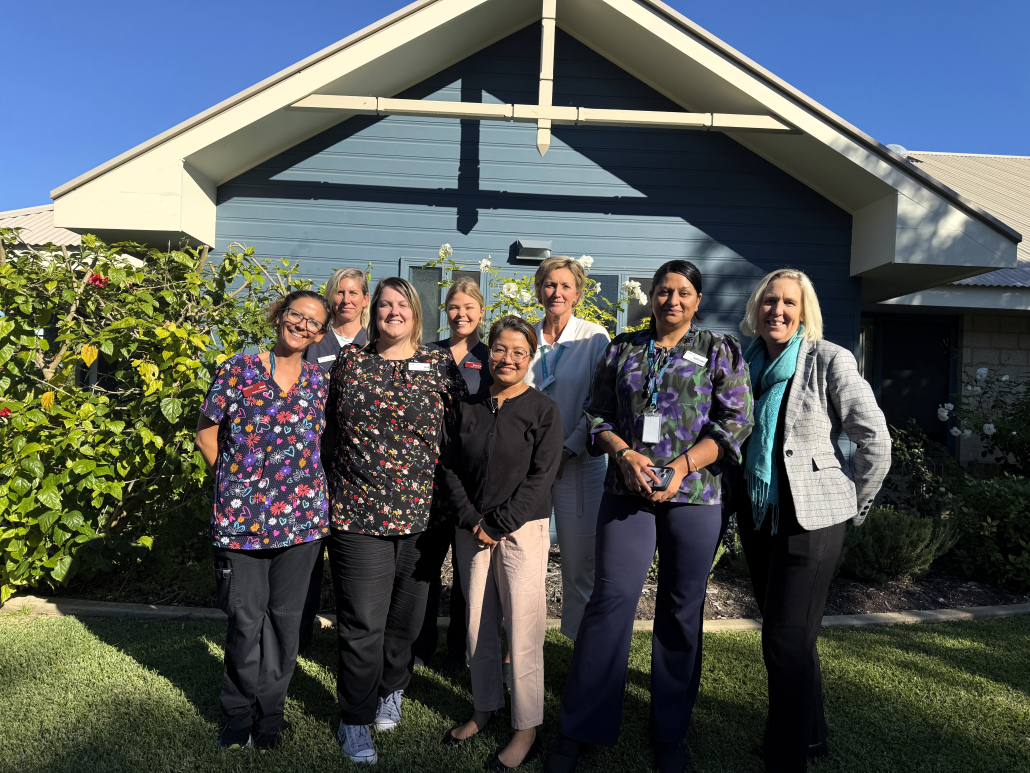
8 professional women of varying ages and nationalities grouped togehter and smiling for the camera outside a blue wall with rose bushes in the background

Capecare setting new standards in dementia care

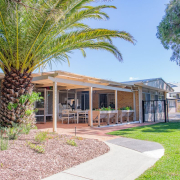
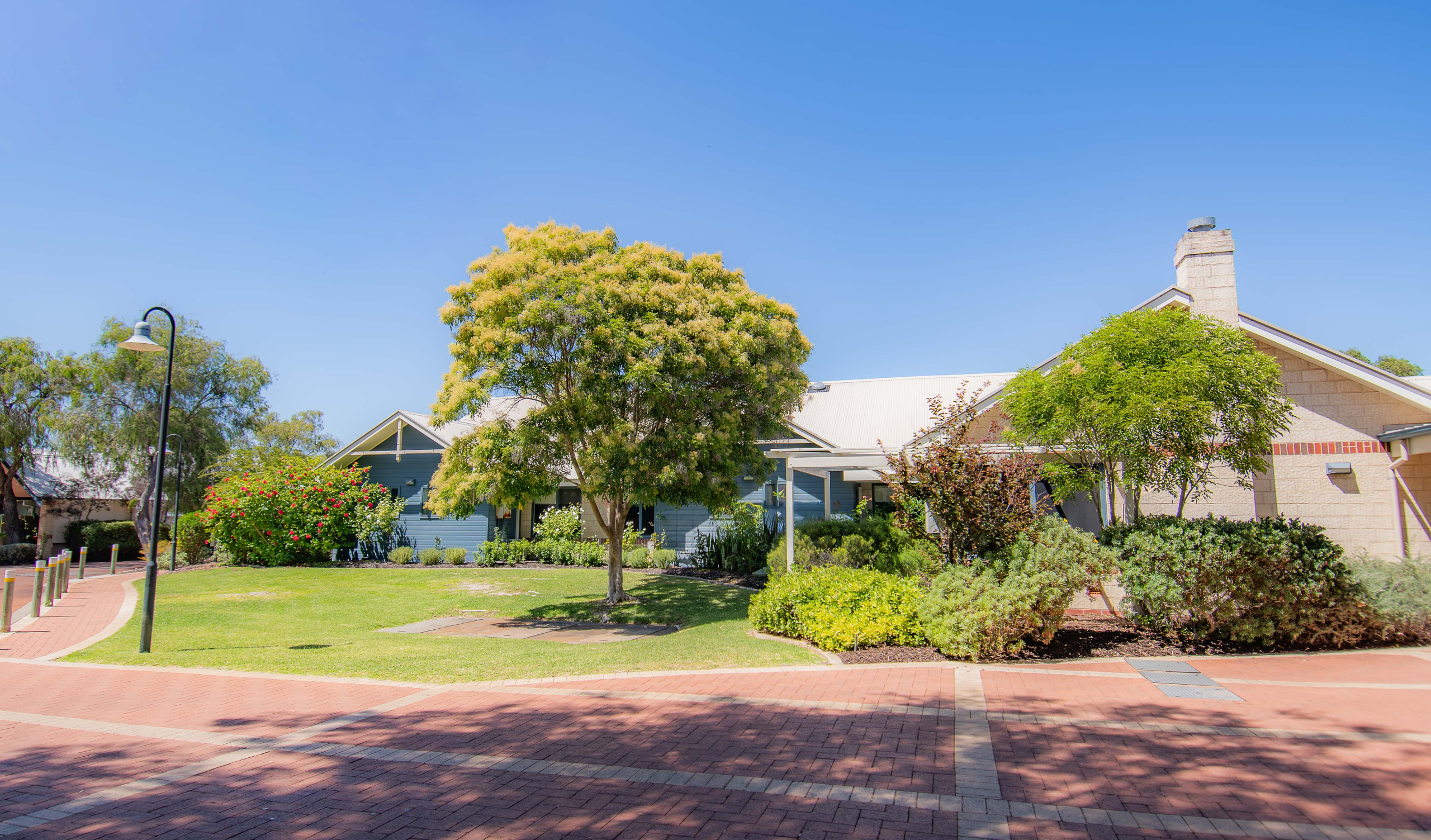
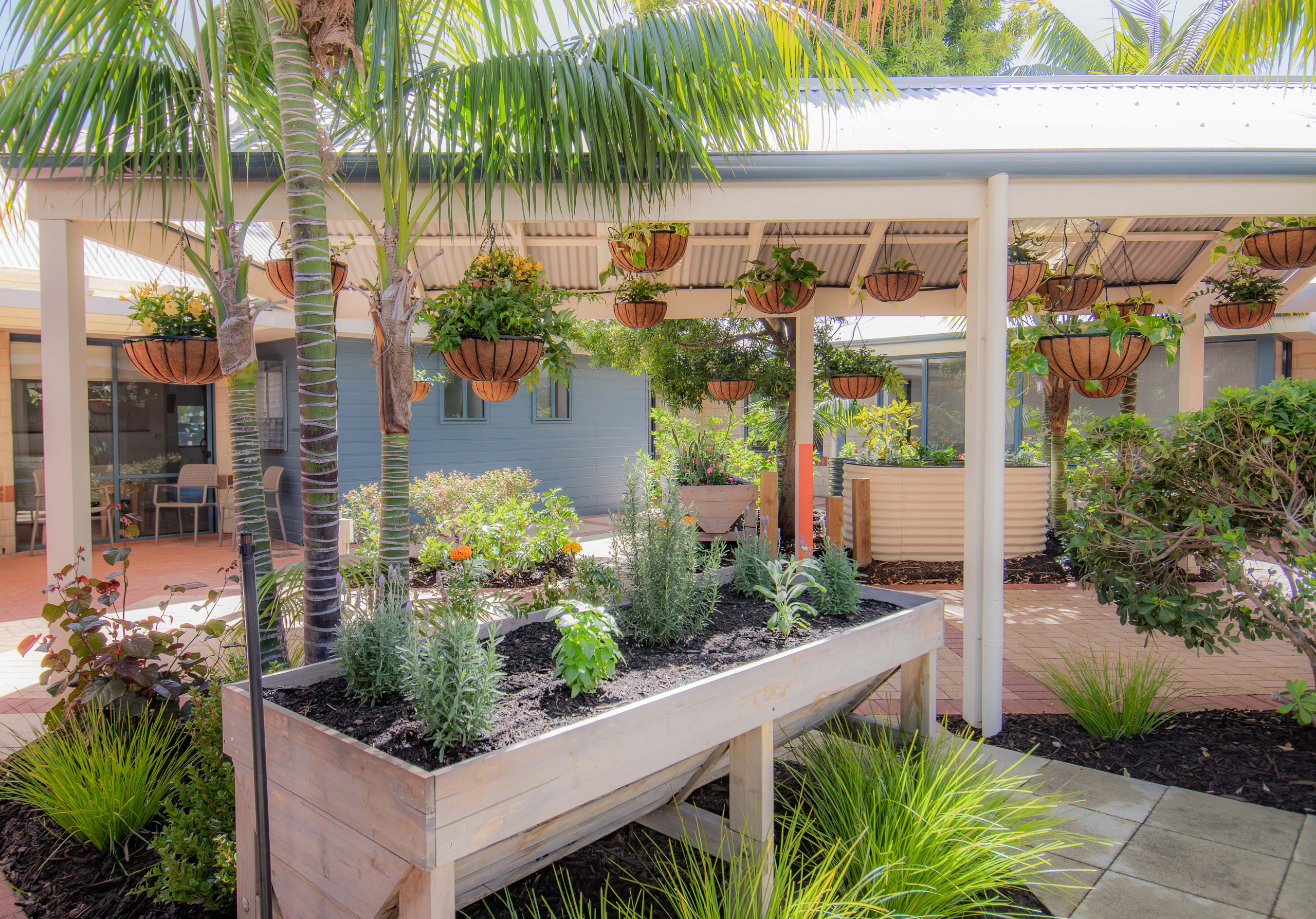
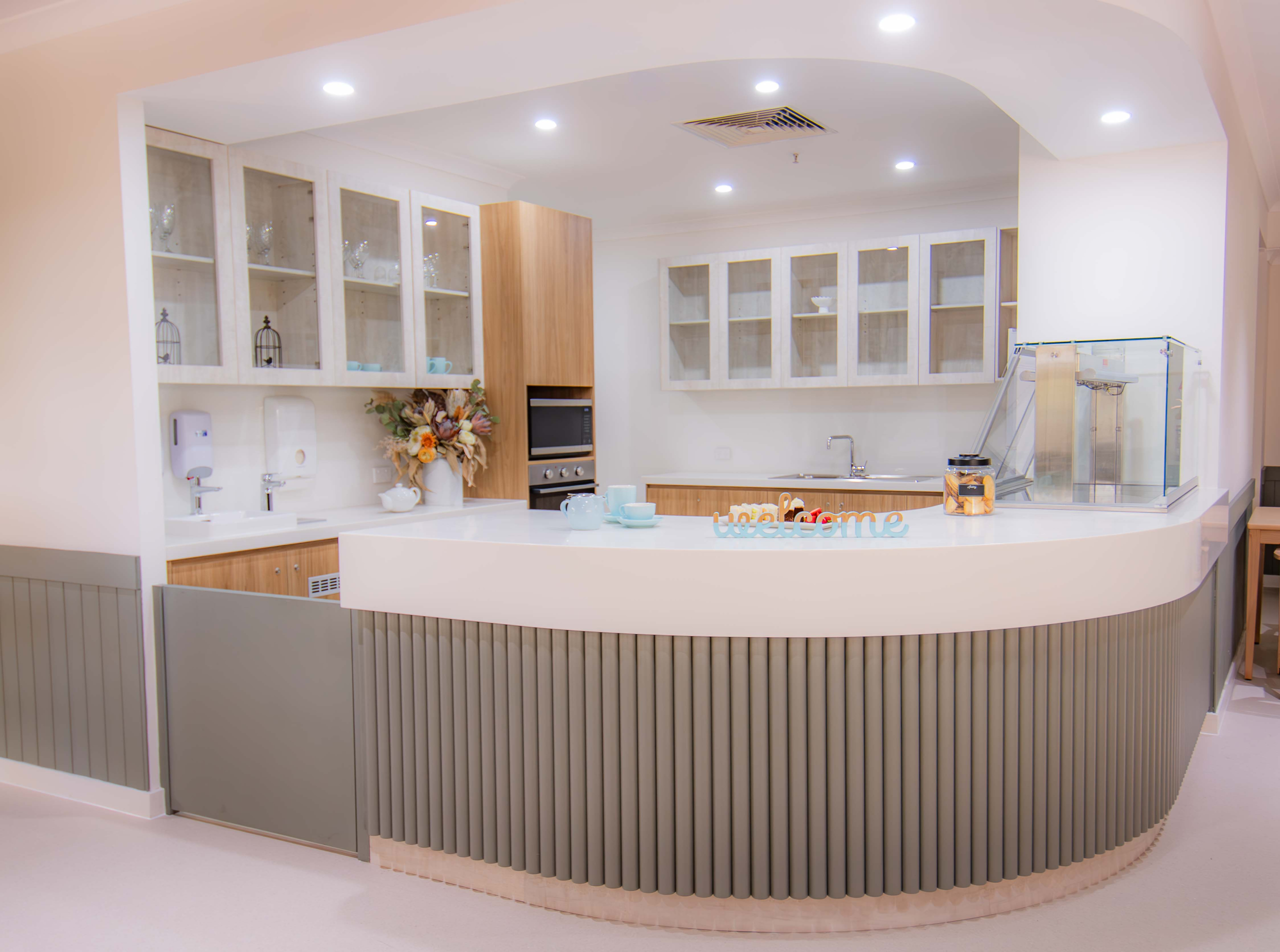
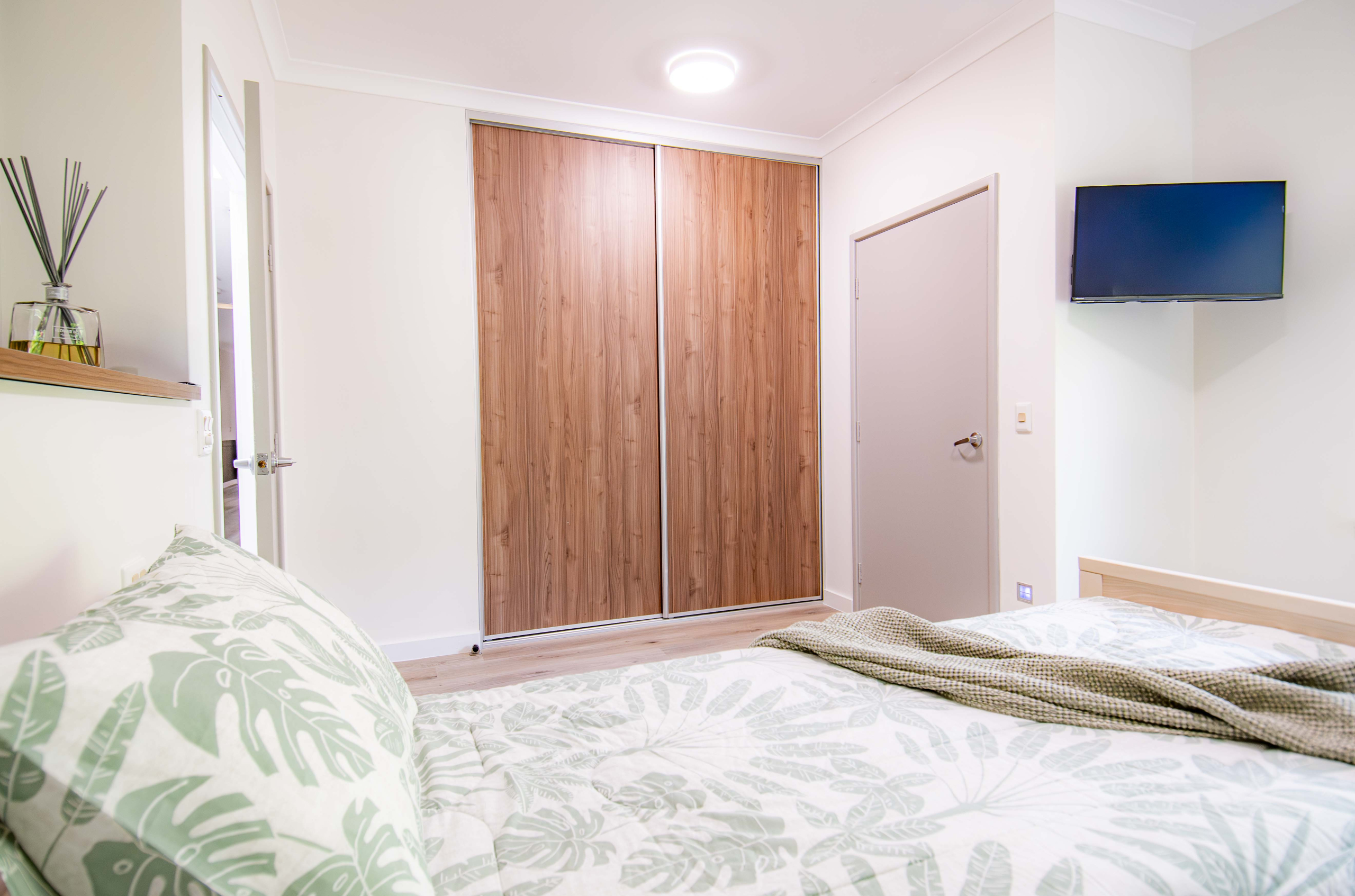
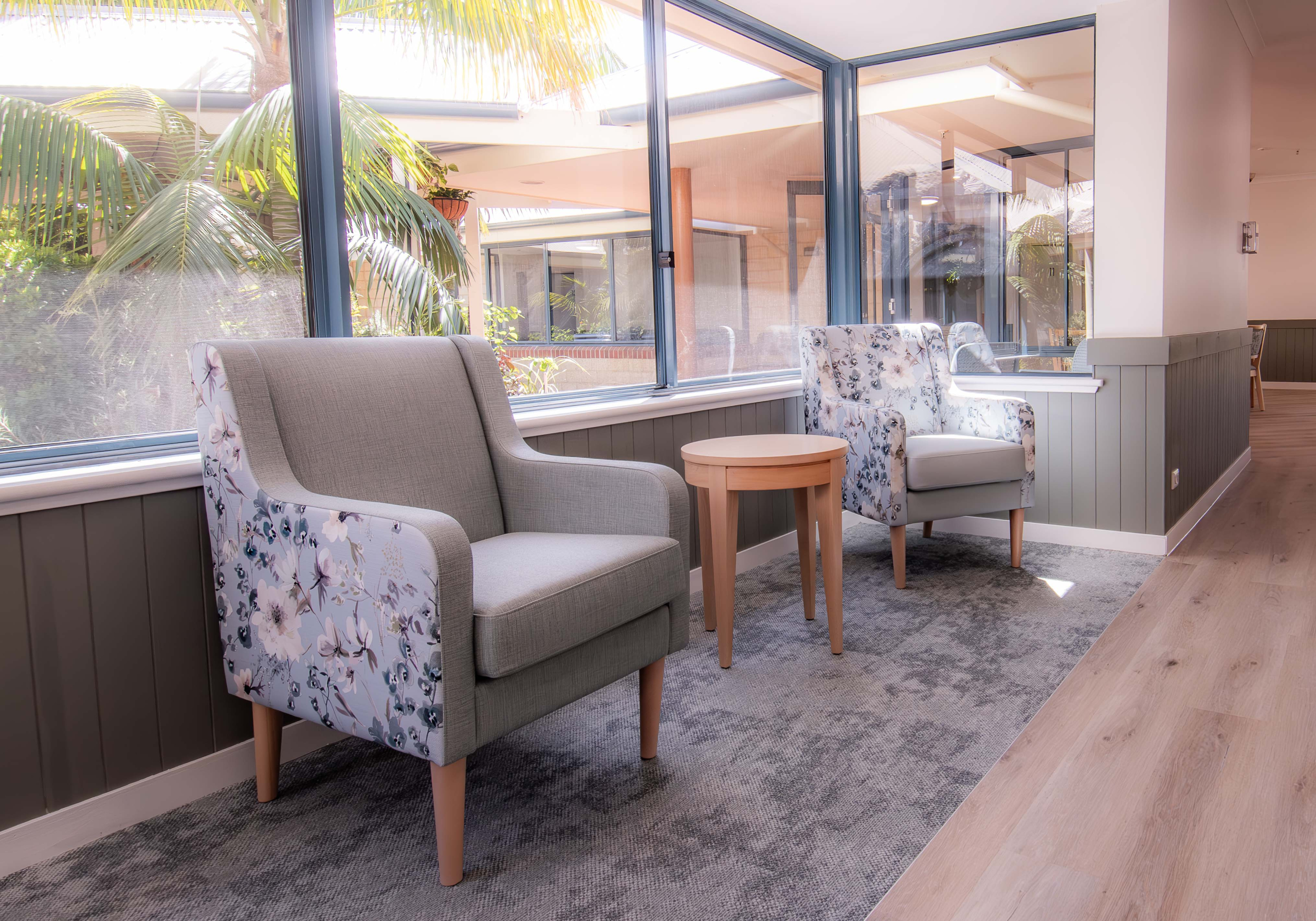
Capecare has officially reopened its newly refurbished Rosa Brook Wing, marking a significant milestone in the evolution of dementia care at the Busselton facility and in the South West.

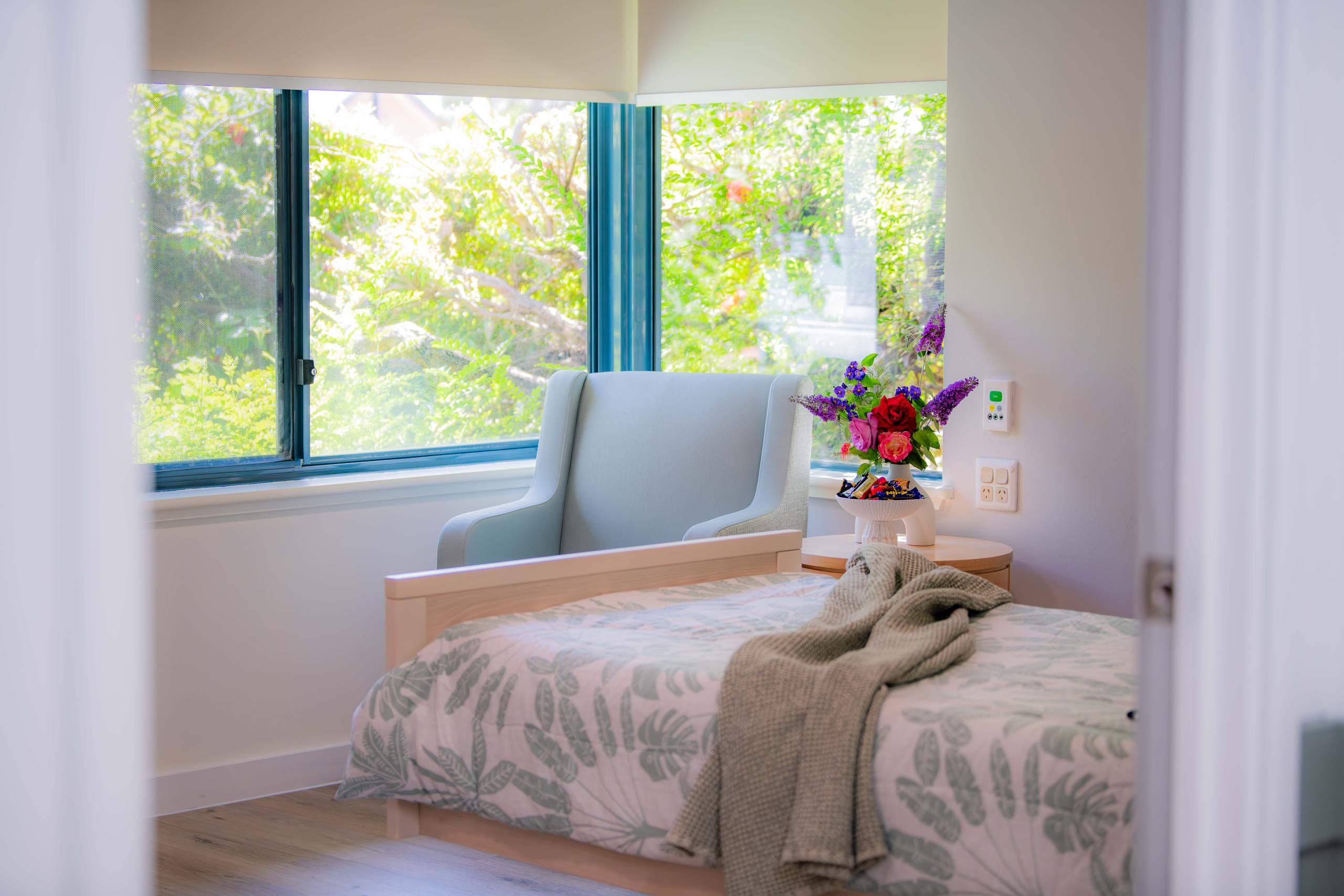
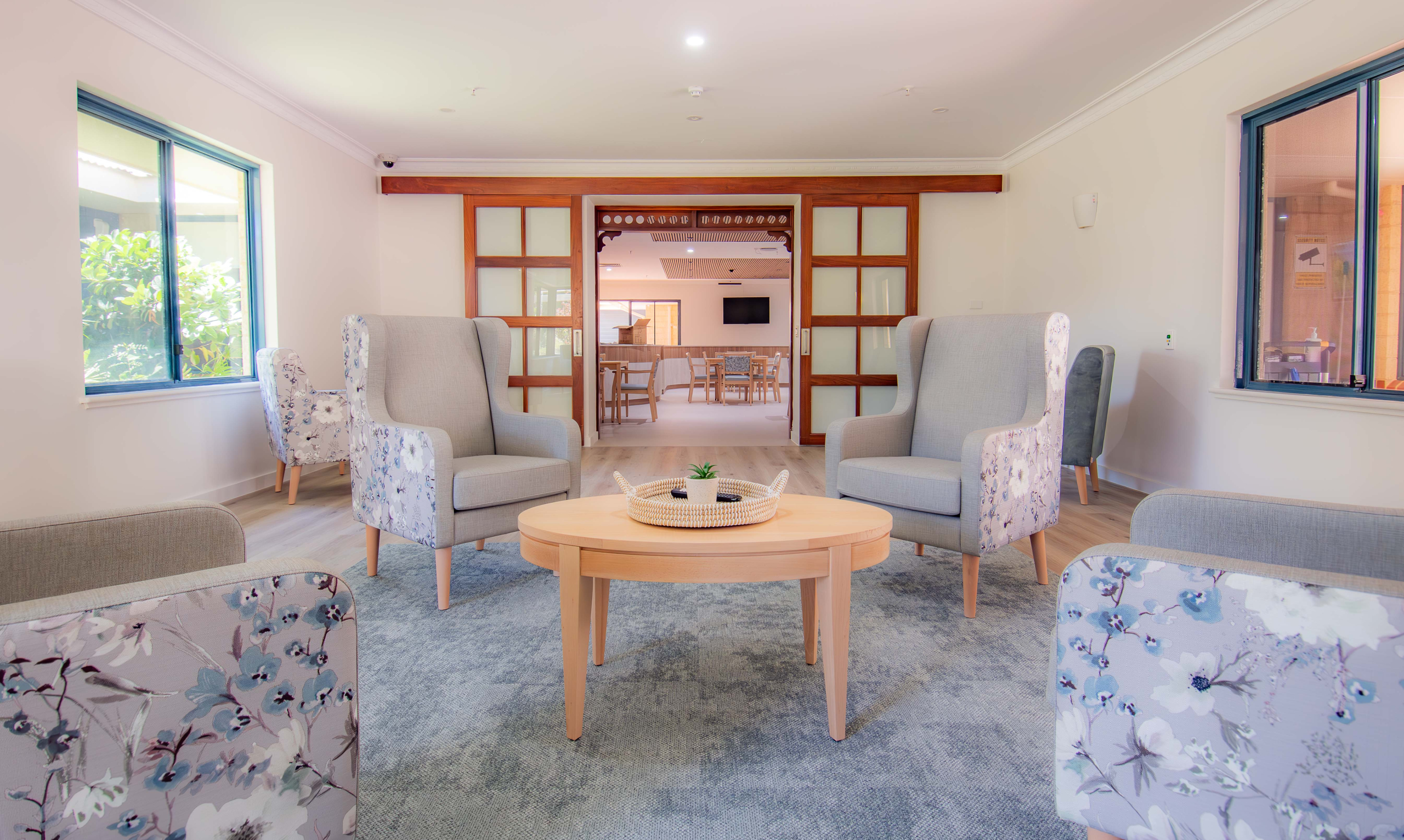
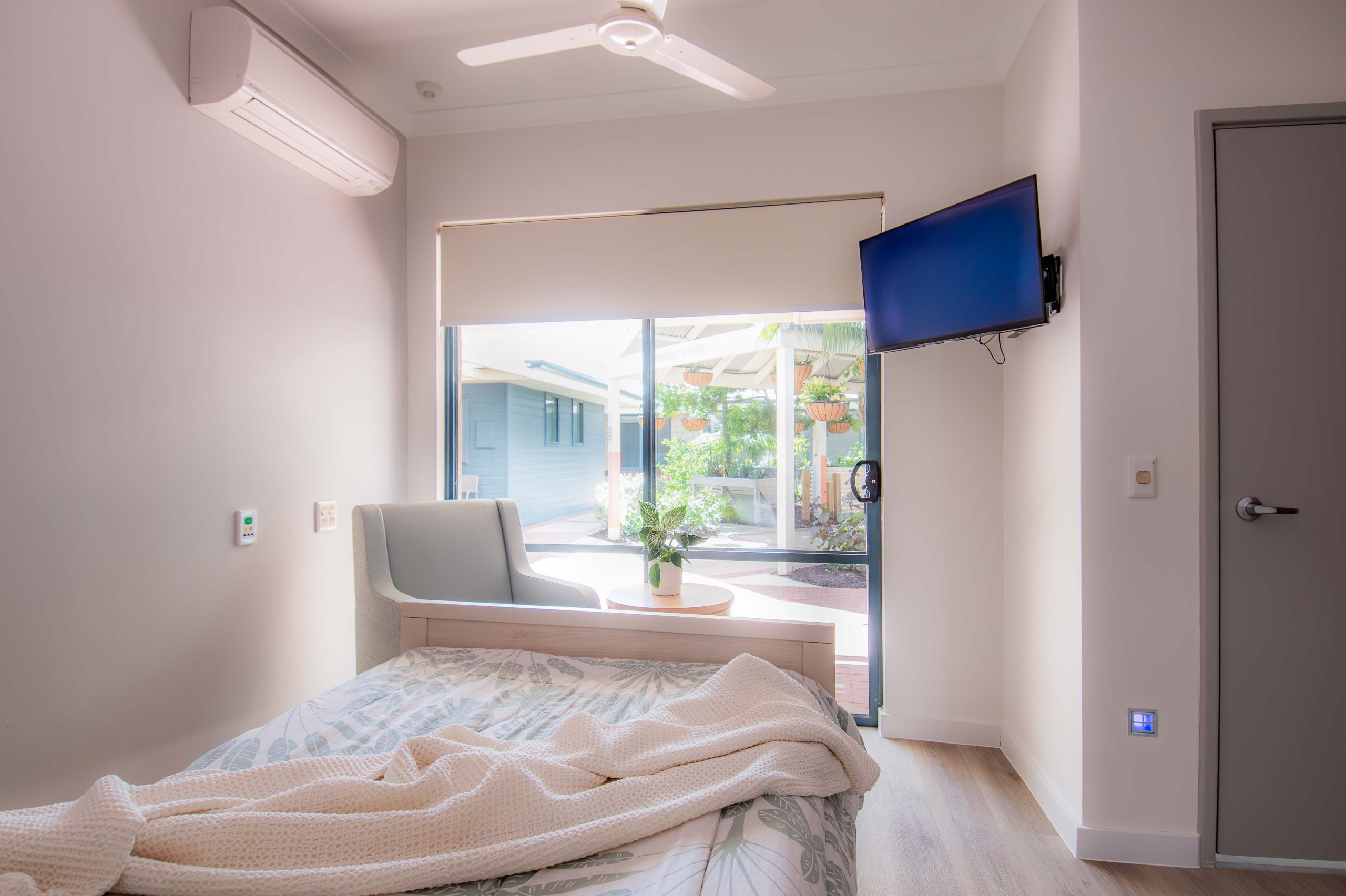
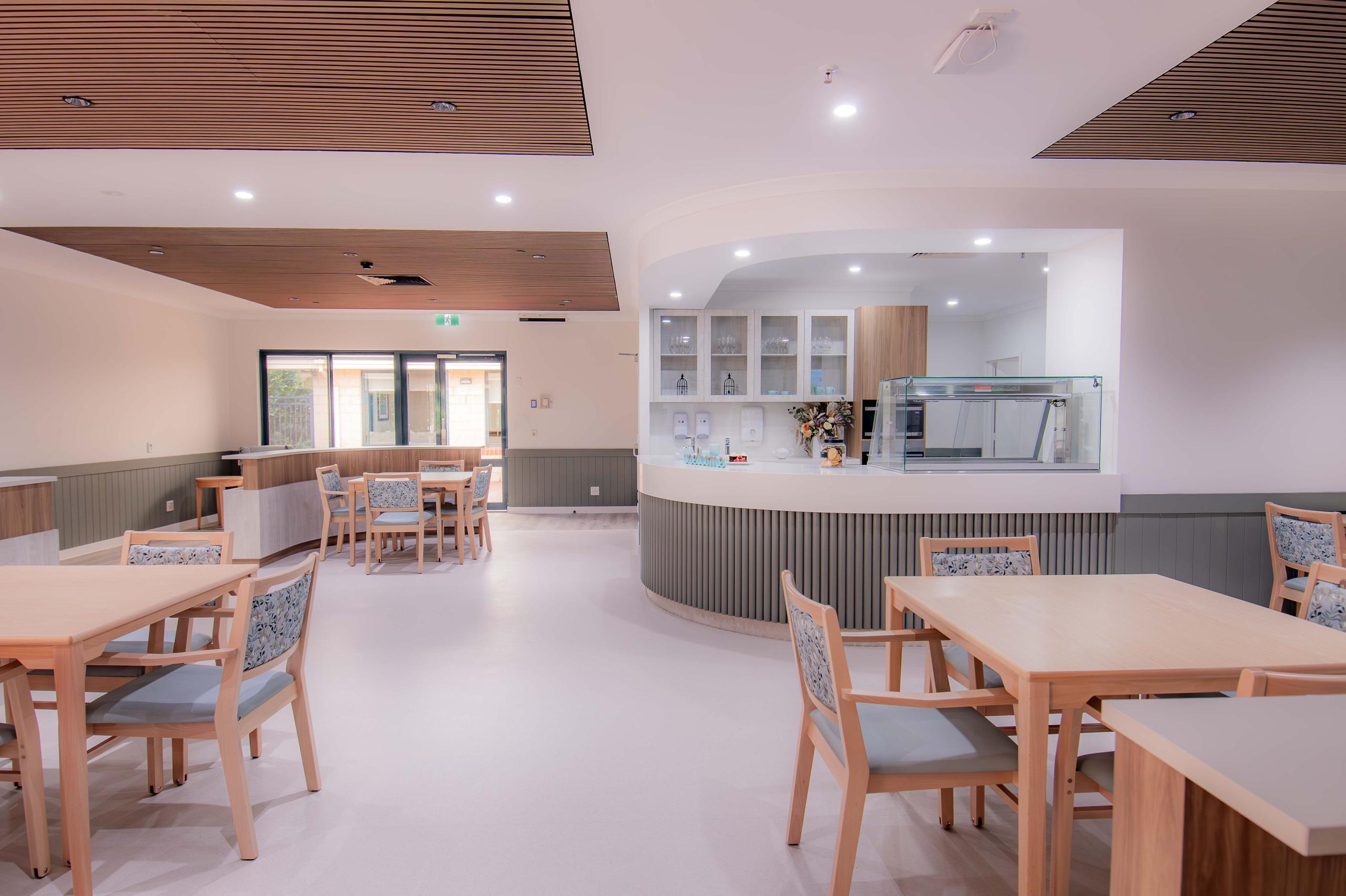
Rosa Brook Wing provides a dedicated, purpose-designed environment for residents living with dementia and changes in cognition. The refurbishment was designed to create a more supportive, homelike setting promoting dignity, independence and wellbeing.

Originally opened in 2000, the wing has undergone a comprehensive transformation, incorporating contemporary dementia-friendly design principles and upgraded care infrastructure, made possible through funding from the Australian Government’s Aged Care Capital Assistance Program.

Capecare Chair Martha Ryan said the reopening reflected both the organisation’s history and its commitment to the future of care.

“Rosa Brook has long been an important part of Capecare’s story, and this refurbishment represents how far dementia care has come over the past two decades,” Martha said.

“Today, we better understand the importance of designing environments that support not just safety, but also connection, familiarity and a true sense of home. This redevelopment ensures we can continue to provide care that respects each person’s dignity and individuality.”

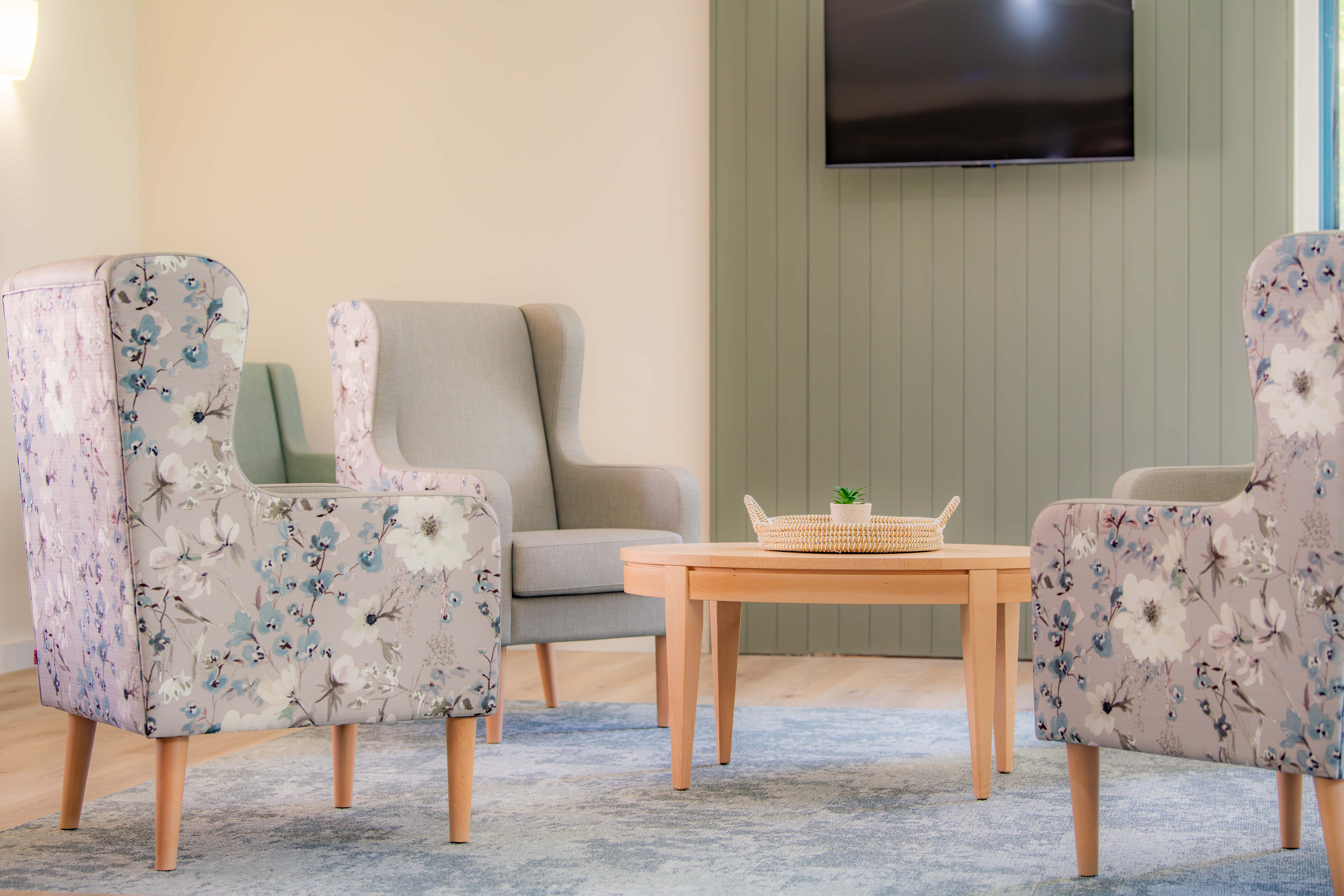
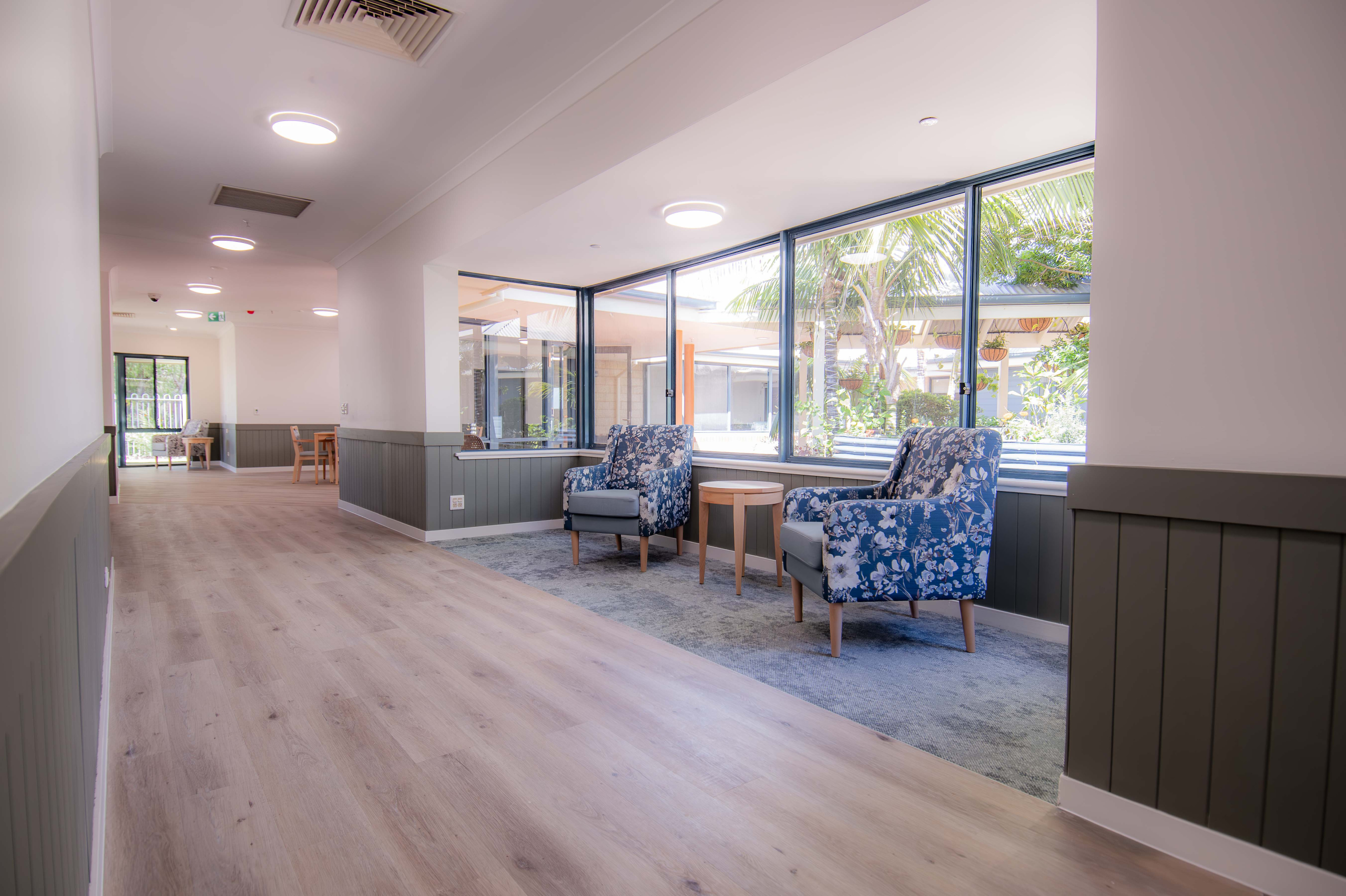
The redesigned wing includes enhanced communal areas, improved lighting, dementia-friendly wayfinding features, and carefully selected furnishings that balance safety, comfort and a homely feel.

At the official re-opening event, Capecare CEO Tim Nayton announced the launch of the organisation’s Dementia Support and Mental Wellbeing Program, an integrated strategy designed to support cognitive, emotional and social wellbeing across residential, community and retirement living services.

He said the project was part of a broader organisational focus on dementia and mental wellbeing.

“This is more than a building upgrade. It is part of a wider commitment to supporting people living with dementia to live well,”  Tim said.

“The Rosa Brook refurbishment, alongside our Dementia Support and Mental Wellbeing Program, reflects our focus on person-centred care, supporting each individual’s wellbeing, identity and quality of life.”

Home to 20 residents, Rosa Brook has been carefully designed to offer a calm and familiar environment for people living with dementia that eases confusion, reduces distress, while encouraging independence and meaningful daily experiences.

The refurbishment was undertaken by Interite, who designed and coordinated the interior fit-out using skilled local tradespeople, complemented by furnishings from Atama Furniture and European Bedding.

Capecare continues to play a leading role in delivering high-quality aged care services in regional Western Australia, with a strong focus on innovation, compassion and community connection.

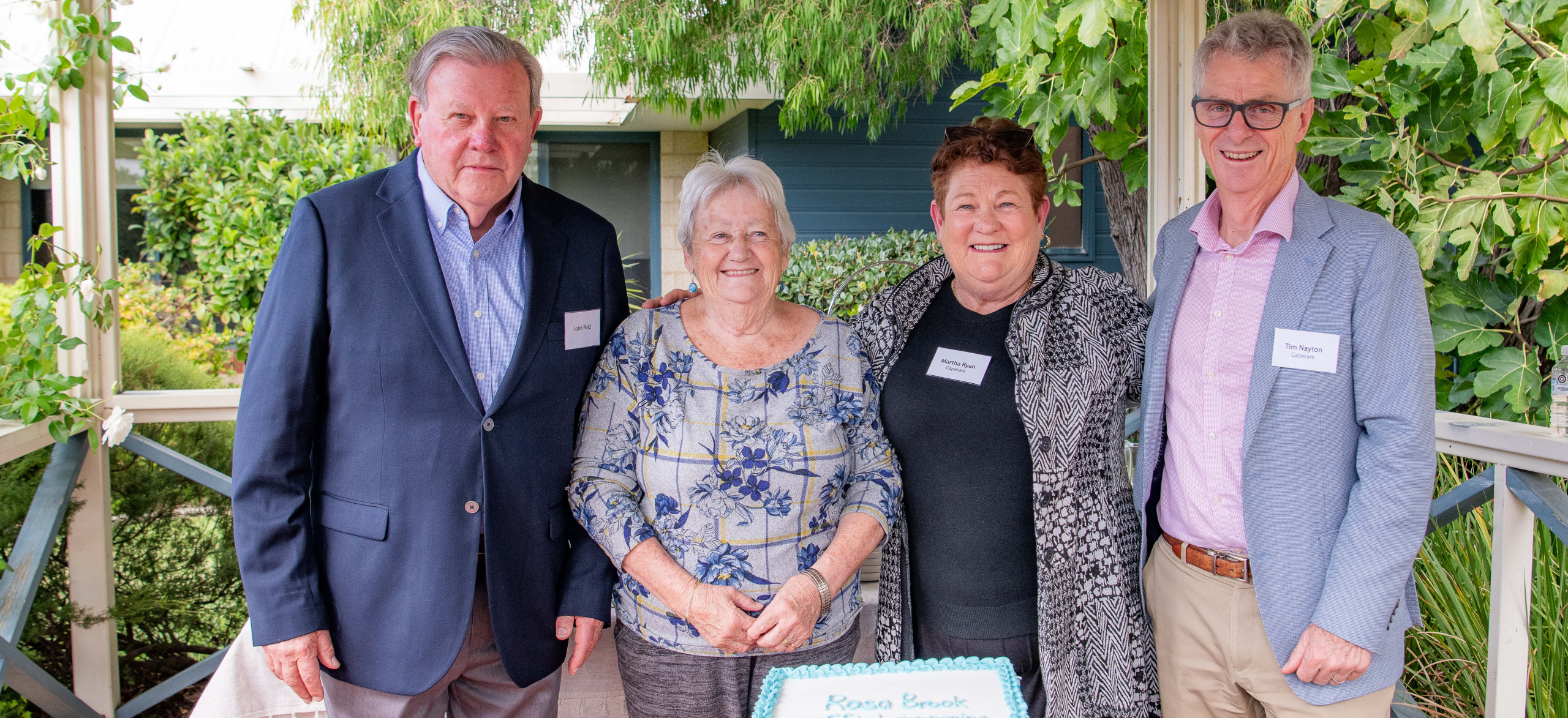
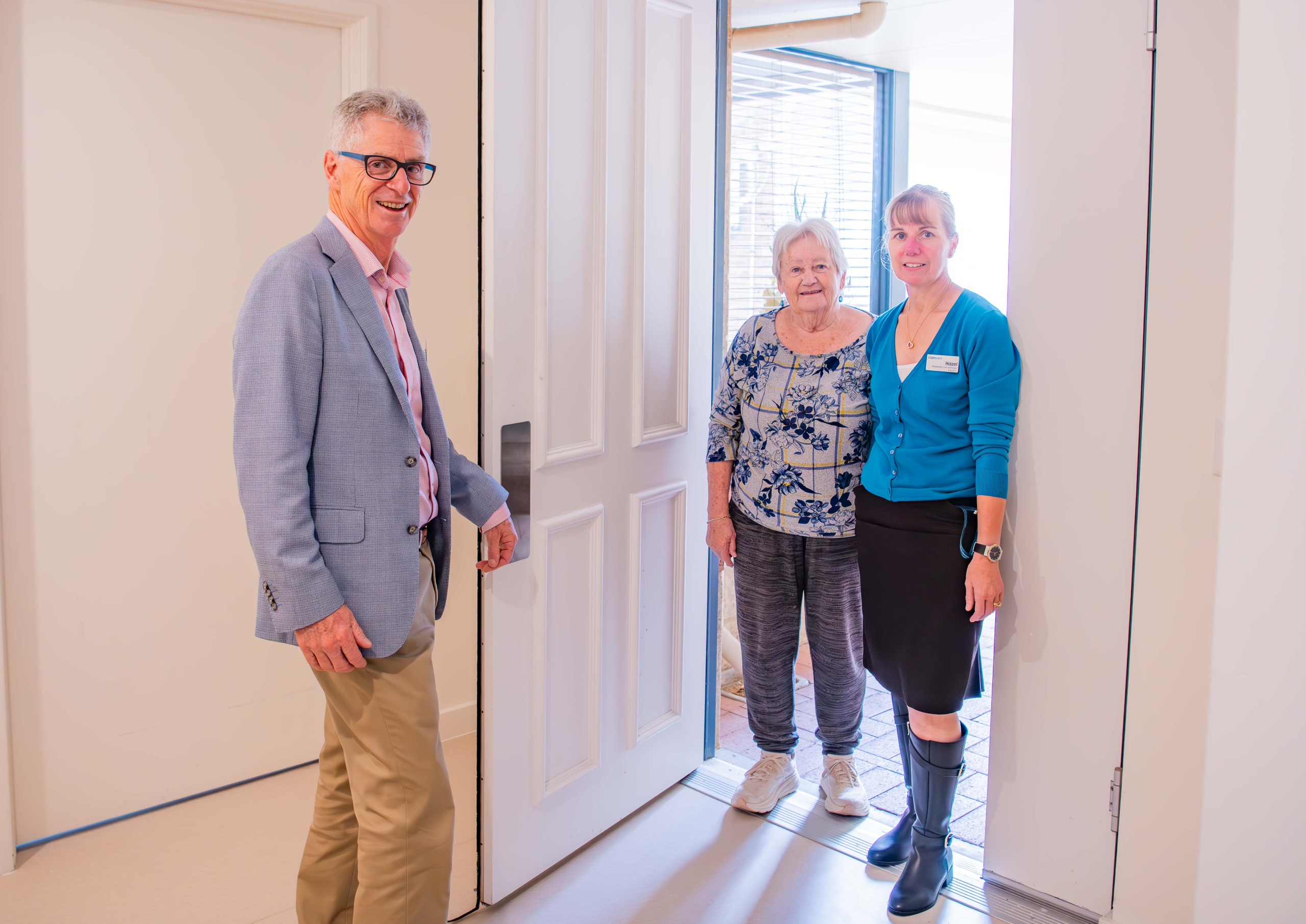
The opening event featured a speech by John Reid who was a board member at Capecare for more than 30 years and was MC at the original opening event on 28 June 2000. Current Rosa Brook resident Elizabeth McMullen was also a special guest, helping to cut a celebratory cake with Martha and John to mark the re-opening.

View a video tour.

A welcome step toward clearer, fairer home care

Capecare welcomes today’s announcement to reclassify personal care under the Support at Home program, alongside the Australian Government’s broader investment in aged care.

It’s an important move that better reflects the essential role these services play in supporting dignity, independence and wellbeing at home, while also strengthening the system to meet growing demand. 

As a regional not-for-profit provider, we know how important clear and sustainable funding is to delivering consistent, high-quality care in our community.

We look forward to seeing how these changes are implemented and continuing to support our clients through the transition.

Read more on today’s announcement here

Capecare strengthens palliative care through national initiative

Capecare is proud to be participating in the End of Life Directions for Aged Care (ELDAC) initiative – a nationally recognised program designed to support aged care providers to improve palliative care, strengthen advanced care planning, and build stronger connections across health and community services.

The ELDAC project is funded by the Australian Government Department of Health and Aged Care and delivered through a partnership of three universities and national organisations representing aged care, palliative care and primary care.

What is palliative care?

Palliative care is a compassionate and supportive approach that aims to enhance quality of life for individuals living with a life-limiting illness, and for the families and carers supporting them.

It focuses on preventing and relieving suffering through early identification of needs, careful assessment, and effective management of pain and other concerns. This includes physical, psychological, emotional, cultural and spiritual support, ensuring each person’s care is respectful, individualised, and aligned with their values.

What is ELDAC?

The ELDAC model provides a practical framework for improving how aged care services respond to changing health needs and end-of-life care. It supports providers to strengthen:

  • Advance Care Planning
  • Assessing palliative care needs
  • Responding to deterioration
  • Working collaboratively with families, GPs and allied health professionals
  • Connecting with wider palliative care services

This approach can contribute to reduced hospital admissions, shorter hospital stays, and improved quality of life outcomes for older Australians receiving care in residential aged care and in the community.

Capecare’s ELDAC journey

Capecare commenced the ELDAC journey at our Dunsborough facility in November 2025. We will commence at our Busselton facility and in our Community care services in May 2026.

As part of ELDAC, we are focusing on raising awareness and strengthening our approach to palliative and end-of-life care through:

  • targeted meetings and planning activities
  • increased collaboration with GPs and allied health professionals
  • improved access to trusted, evidence-based resources and tools
  • building staff capability through education and training
  • supporting stronger communication and care planning with residents, clients and families

Staff across our Busselton and Dunsborough residential care facilities and community care will have access to a collection of free, evidence-based information, tools and resources developed through ELDAC and supported by trusted programs including palliAGED and Advance Care Planning Australia.

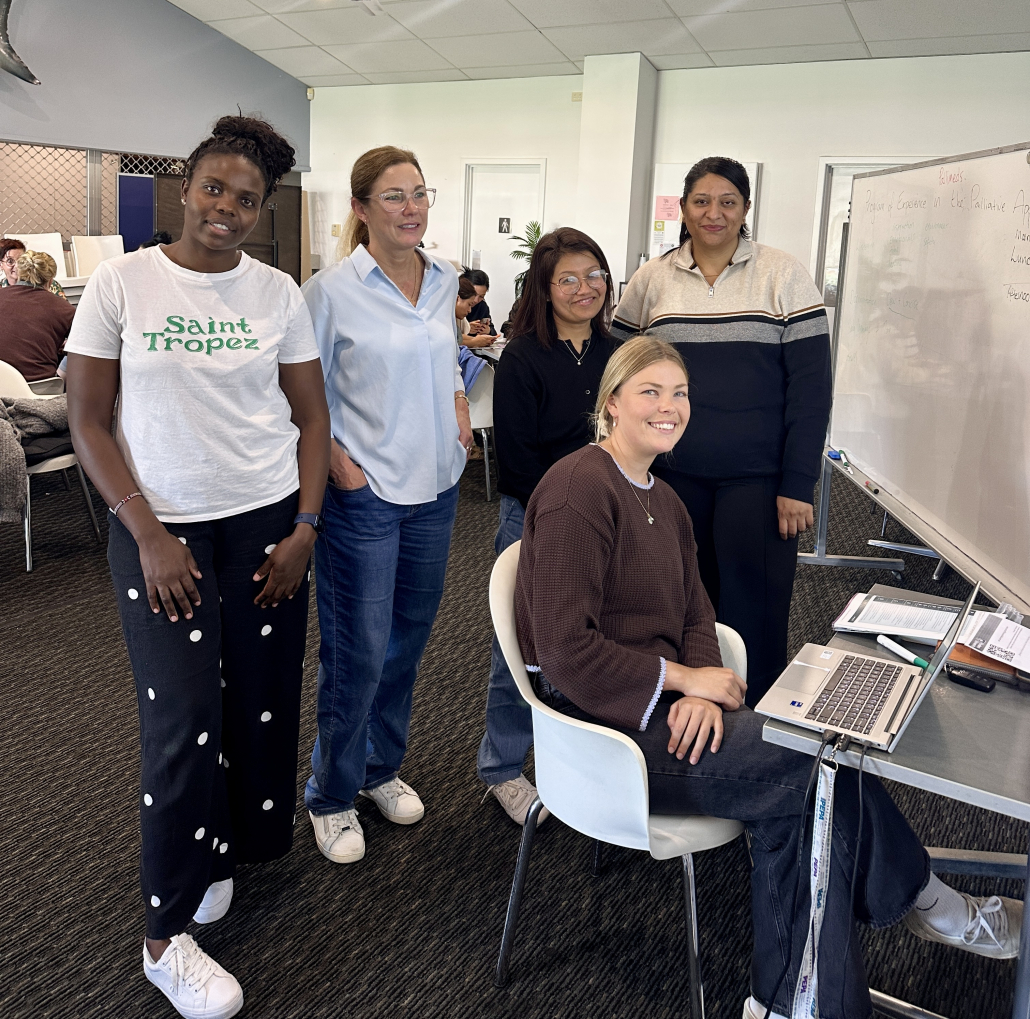
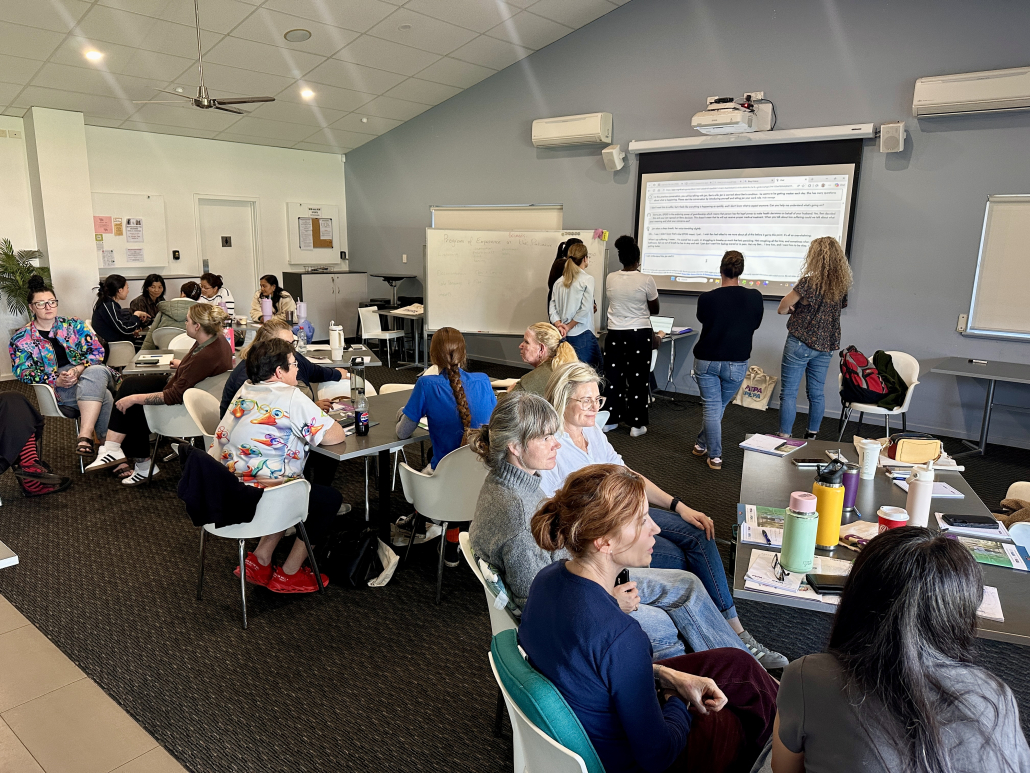
A key part of Capecare’s participation includes support from the Program of Experience in the Palliative Approach (PEPA).

Benefits for Capecare and our community

Capecare’s involvement in ELDAC is expected to deliver wide-ranging benefits, including:

  • stronger support to provide palliative care through structured frameworks and planning
  • access to trusted evidence-based resources and online tools
  • increased education and training to build confidence and expertise
  • greater confidence for staff, volunteers, residents and families
  • a valuable learning opportunity across our entire organisation
  • cost efficiency through grant-funded training opportunities
  • strengthened networks with local palliative care services, GPs and allied health professionals

Capecare is committed to providing compassionate, high-quality care that supports dignity, comfort and choice. The ELDAC initiative is an important step in strengthening our palliative approach and ensuring residents and clients receive the right care, at the right time, in the right place.

We look forward to continuing this journey and sharing further updates as the program expands across our communities.

Capecare CEO Tim Nayton featured on Pioneers of Aged Care podcast

Capecare CEO Tim Nayton has recently been featured on the Pioneers of Aged Care podcast, hosted by Anthony Nguyen, sharing insights into Capecare’s journey, values and future direction.

In the wide-ranging conversation, Tim reflects on Capecare’s 60+ year history as a community-based, not-for-profit aged care provider in the Busselton–Dunsborough region, and the organisation’s strong focus on giving back to the community it serves.

Tim speaks about the significant progress made over the past 12 months, including reaching full capacity at the Dunsborough residential aged care facility, expanding services at Busselton, and welcoming 100 new team members during a challenging period for the sector. He highlights the importance of purpose, culture and community connection in attracting and retaining a skilled workforce in regional aged care.

The podcast also explores how aged care is evolving — becoming increasingly complex, multidisciplinary and clinically skilled — and challenges outdated perceptions of the sector, particularly for allied health professionals.

Looking ahead, Tim outlines Capecare’s strategic priorities, including expanding Support at Home services, strengthening partnerships across the local health system, and progressing the long-term Busselton Master Plan — a generational opportunity to shape the future of the beachfront campus to meet the community’s needs over the coming decades.

The interview offers a thoughtful insight into Capecare’s role in the region and the people and purpose driving its future.

Watch or listen to the podcast here: YouTube or Spotify

Capecare thanks local emergency services

Capecare Dunsborough’s management fired up the BBQs at their Naturaliste Terrace facility last Thursday to thank local fire brigades and emergency services personnel.

Capecare CEO Tim Nayton acknowledged both the emergency services personnel for protecting residents and facilities during the recent Dunsborough fires, and also his staff who were working on the day.

Tim was at Capecare Dunsborough at the time of the fires and said, while obviously concerned about what was happening on the reserve across the road from the facility, it was reassuring to see the services in action.

“To watch the emergency services teams and know that there was that level of support was amazing to experience, and to witness the confident way, what became quite a threatening fire, was managed,” Tim said.

The BBQ was attended by DFES Area Officer Andy Thompson, Mayor Phill Cronin, Ben Small, Liberal representative for Forrest and a number of professional and volunteer firefighters, Capecare staff who worked on the day of the fire, and Armstrong Village residents and their families.

Andy Thompson also thanked volunteers and said the incident response ran like clockwork thanks to practical exercises carried out with Capecare.

“To our volunteers, thank you. They’ve had a busy past couple of months, including turning out to Windy Harbour and various other fires.

“The accolades also go out to Capecare staff and management. Thanks to pre-planning and on-site training and evacuation drills carried out last year, it went like clockwork.

“Staff knew we were going to ‘protect in place’, which we had planned. We had the resources here, which the volunteers are trained for, and working with Capecare staff and management was faultless. It couldn’t have gone any better.

“It goes to show the strength of all of us working together in the community and the number of volunteers that we have… Fire, Search and Rescue, SES, St John Ambulance… it was a fantastic response and hats off to everybody.”

Mayor Phill Cronin, who was a volunteer firefighter on the day, reiterated the community response.

“As I’m driving down the road, I see a big billow of smoke in the distance. The radio’s chattering. The sirens are going off. The Dunsborough guys were having a bit of trouble at their own fire station. Then I’m hearing: ‘Capecare, get down there’. We get down to Cape Nat, and there’s smoke everywhere.

“We had 125 firefighters. We had 50 units down there. We had two helicopters. The whole point was how we all came together. The DFES guys, they were protecting the structures, we were doing the bush. There were queues of St John Ambulance people down there. DFES were setting up an incident support group. It was all done professionally. We also had a lot of the City (of Busselton) involved.

“At the end of the day, we didn’t lose any properties. There were no injuries. there was no loss of life.

“Everybody here, you all played a part, you made people feel safe. The Capecare guys were out there as well, getting wet and smoky. but we all did a great job and look, I really want to say thank you. Thank you for this event to recognise this and bring us all together.

“The next thing that we are doing is getting the reserve back to how it was. We instantly go into recovery mode.  One thing we’ve learned is recovery is the quickest thing that we can get on top of rather than leaving it weeks down the line,” Mayor Cronin said.

Tim concluded by praising the amazing community spirit, also demonstrated by the generosity of wineries and breweries approached for the event. Special thanks to Shelter Brewing, Eagle Bay Brewing, Baileys Brewing, Skigh Wines, the  Highbury Project and Cape Cellars.

Accessibility Toolbar